Construction and Demolition Waste Management Under Indonesian Law
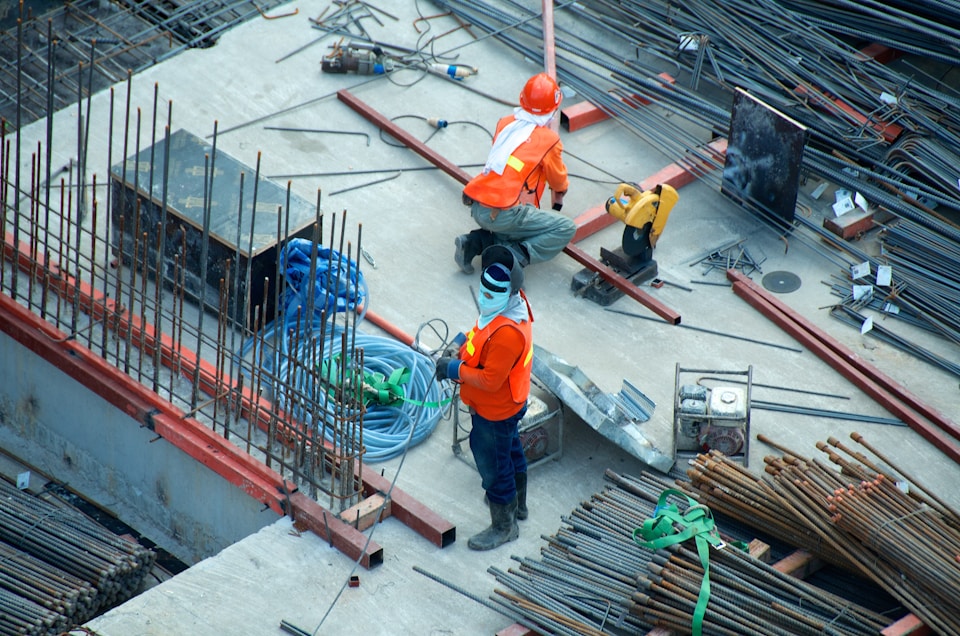
Indonesia's rapid urbanization and infrastructure development have created an unprecedented construction boom across the archipelago. From Jakarta's expanding skyline to new housing developments in provincial capitals, construction activities generate massive volumes of waste that challenge existing waste management systems. Government Regulation No. 27 of 2020 concerning Specific Waste Management (PP 27/2020) addresses this challenge by classifying construction and demolition waste as a distinct category requiring specialized handling approaches.
The regulation represents a significant evolution in Indonesia's waste management framework. Unlike previous regulations that treated construction debris as an afterthought within general waste management principles, PP 27/2020 explicitly recognizes construction and demolition waste as "sampah spesifik" or specific waste. This classification acknowledges that materials generated from building construction, renovation, and demolition possess characteristics that distinguish them fundamentally from household or commercial waste streams.
Construction and demolition waste encompasses a diverse range of materials. Concrete rubble from demolished structures, broken bricks and tiles, wooden beams and frames, metal reinforcement bars, glass panels, insulation materials, pipes, wiring, and roofing components all fall within this category. The sheer volume and physical characteristics of these materials make conventional waste collection and disposal systems inadequate. A single building demolition can generate hundreds of tons of debris, far exceeding the capacity of standard waste management infrastructure designed primarily for household refuse.
PP 27/2020 Pasal 1 establishes the definitional framework for understanding construction waste within Indonesia's legal system. The regulation defines "Sampah Spesifik" as "sampah yang karena sifat, konsentrasi dan/atau volumenya memerlukan pengelolaan khusus" (waste that due to its nature, concentration and/or volume requires special management). This definition captures the essential challenge posed by construction debris: its distinctive physical properties demand management approaches tailored to its specific characteristics rather than integration into general waste streams.
More specifically, the regulation defines "Puing Bongkaran Bangunan" as "puing yang berasal dari kegiatan membongkar atau merobohkan seluruh atau sebagian bangunan gedung, komponen, bahan bangunan dan/atau prasarana dan sarananya" (debris originating from activities of dismantling or demolishing all or part of building structures, components, building materials and/or their infrastructure and facilities). This definition encompasses not only complete demolitions but also partial renovations, component replacements, and infrastructure modifications that generate significant debris volumes.
The classification of construction waste as specific waste under PP 27/2020 Pasal 2 places it alongside other challenging waste categories. Pasal 2 ayat (1) lists six categories of specific waste, with construction debris appearing as category (d): "Puing Bongkaran Bangunan." This positioning alongside categories such as disaster waste, hazardous household waste, and agricultural waste underscores the regulatory recognition that construction debris requires management protocols distinct from routine household waste.
The regulatory logic behind this classification becomes clear when examining the characteristics that distinguish construction waste. Volume represents the most obvious differentiator. A typical household generates several kilograms of waste daily, manageable through standard collection systems. In contrast, demolishing a modest single-story building produces tons of debris within hours. This massive volume differential overwhelms conventional waste management infrastructure designed for gradual, predictable waste generation patterns.
Physical properties further distinguish construction waste. Household waste consists primarily of organic materials, plastics, paper, and similar relatively lightweight materials suitable for compaction in collection vehicles. Construction debris includes heavy concrete blocks, steel reinforcement bars, large wooden beams, and other materials requiring specialized equipment for handling and transport. Standard garbage trucks cannot accommodate these materials, necessitating different collection and transport approaches.
The heterogeneous composition of construction waste presents additional management challenges. A demolition site produces concrete, masonry, metal, wood, glass, plastics, insulation materials, electrical components, plumbing fixtures, and numerous other material types. Each material category possesses different recycling potential, disposal requirements, and environmental implications. Effective management requires sorting, segregation, and material-specific handling protocols that far exceed the complexity of managing relatively homogeneous household waste streams.
Spatial considerations also differentiate construction waste management. Household waste accumulates at residential addresses accessible through established collection routes. Construction and demolition activities occur at specific project sites that may lack convenient access, exist for limited durations, and generate waste in concentrated bursts rather than steady flows. Waste management systems must adapt to these temporal and spatial characteristics rather than relying on routine scheduled collection.
PP 27/2020 establishes responsibility frameworks for construction waste management that differ from household waste approaches. The regulation assigns primary responsibility to waste generators, meaning construction project owners and contractors bear direct responsibility for proper debris management. This contrasts with household waste, where municipal governments typically assume primary collection and disposal responsibilities. The generator-pays principle underlying specific waste management reflects the recognition that construction activities create extraordinary waste management demands beyond the scope of standard municipal services.
The regulation mandates that construction waste generators develop waste management plans before commencing projects. These plans must address debris volume estimates, segregation protocols, transport arrangements, and final disposal or recycling destinations. Pasal 8 of PP 27/2020 requires that "Setiap orang yang menghasilkan Sampah Spesifik wajib mengelola Sampah Spesifik yang dihasilkannya" (Every person who generates Specific Waste is obligated to manage the Specific Waste they produce). This obligation extends beyond simple disposal to encompass comprehensive management from generation through final disposition.
Material recovery and recycling represent crucial dimensions of construction waste management under PP 27/2020. Many construction materials possess significant reuse or recycling value. Concrete can be crushed and used as aggregate for road construction or new concrete production. Metal reinforcement bars retain scrap value for steel production. Wooden components may serve structural functions in temporary works or be processed into wood products. Glass, ceramics, and various other materials offer recycling potential that reduces disposal requirements and conserves virgin resources.
The regulation encourages waste reduction and recovery through its management hierarchy principles. While not explicitly stated for construction waste, PP 27/2020's general approach prioritizes waste reduction at source, material reuse, recycling, and energy recovery before disposal. Applied to construction contexts, this hierarchy encourages deconstruction rather than demolition where feasible, selective demolition to maximize material recovery, on-site sorting to facilitate recycling, and disposal only for materials lacking reuse or recycling options.
Transportation regulations under PP 27/2020 impose specific requirements for moving construction waste from generation sites to processing or disposal facilities. Given the heavy, bulky nature of construction debris, inappropriate transport poses road safety risks and potential environmental contamination from material spillage. The regulation requires that waste transport vehicles be appropriately licensed, equipped to contain materials securely, and operated by trained personnel familiar with safe handling protocols.
Disposal site requirements reflect the distinctive characteristics of construction waste. Standard municipal landfills designed for household waste may lack the capacity or operational protocols needed for large concrete chunks, steel beams, or other construction materials. Some jurisdictions establish dedicated construction waste disposal facilities designed to accommodate these materials. Alternative management approaches include authorized processing facilities that crush concrete for aggregate production or recover valuable materials before disposing of residuals.
The regulatory framework acknowledges that construction waste composition varies significantly across project types. Demolishing a concrete office building generates primarily mineral waste suitable for crushing and aggregate recovery. Dismantling older wooden structures produces mainly combustible materials with different management implications. The regulation's flexibility allows management approaches tailored to specific material streams rather than imposing uniform protocols across all construction waste categories.
Small-scale construction and renovation activities present particular regulatory challenges. While large construction projects typically involve professional contractors familiar with waste management requirements, small residential renovations may be conducted by homeowners or small operators less aware of regulatory obligations. PP 27/2020's coverage extends to all construction waste generators regardless of project scale, though enforcement mechanisms may emphasize education and compliance assistance for small generators while applying stricter oversight to major construction operations.
Regional variation in construction waste management capabilities creates implementation challenges. Major cities possess specialized waste management companies equipped to handle construction debris, processing facilities for material recovery, and disposal sites suitable for construction waste. Smaller municipalities may lack this infrastructure, forcing construction waste generators to develop project-specific solutions that meet regulatory requirements within local constraints.
The regulation's provision in Pasal 2 ayat (2) that "Sampah Spesifik di luar ketentuan sebagaimana dimaksud pada ayat (1) diatur dengan Peraturan Menteri" (Specific Waste outside the provisions referred to in paragraph (1) shall be regulated by Ministerial Regulation) creates flexibility for addressing emerging issues. As construction technologies evolve, new material types enter the waste stream. Composite materials, advanced insulation systems, and innovative building components may require specialized management approaches beyond current protocols. This regulatory mechanism allows responsive adaptation without requiring amendment of the government regulation itself.
Environmental implications of improper construction waste management provide powerful justification for the specific waste classification. Illegal dumping of construction debris degrades natural landscapes, blocks drainage systems contributing to flooding, and creates public health hazards. Construction waste often contains materials that require controlled disposal, including asbestos insulation from older buildings, lead-based paints, and various chemical products. The specific waste framework enables regulatory oversight and enforcement mechanisms to prevent these environmental harms.
Economic considerations also support specialized construction waste management. The construction sector generates substantial waste volumes containing valuable recoverable materials. Effective management systems that maximize material recovery create economic value while reducing disposal costs and environmental impacts. The regulatory framework establishes the structure within which these economic incentives can operate effectively, encouraging private sector development of construction waste processing and recycling businesses.
Documentation and reporting requirements under PP 27/2020 enable regulatory oversight of construction waste management. Waste generators must maintain records of waste volumes, management methods, transport destinations, and final disposition. These records provide data for regulatory enforcement, support environmental impact assessment, and enable tracking of management practices across the construction sector. Systematic documentation creates transparency and accountability within the construction waste management system.
The integration of construction waste management into broader sustainable construction practices represents an evolving dimension of regulatory implementation. Green building standards increasingly emphasize waste minimization during construction, design for disassembly to facilitate future material recovery, and use of recycled materials in new construction. PP 27/2020's construction waste provisions create the regulatory foundation supporting these sustainable construction practices by establishing clear management expectations and material recovery priorities.
Professional capacity development remains essential for effective implementation. Construction sector personnel, from project managers to equipment operators, require understanding of waste management obligations, material segregation techniques, and proper handling protocols. Waste management professionals need specialized knowledge of construction waste characteristics, processing technologies, and recycling markets. The regulatory framework's effectiveness depends substantially on human capacity to implement its provisions in practice.
The regulation's enforcement mechanisms combine regulatory oversight with market incentives. Regulatory authorities can inspect construction sites, review waste management plans, verify compliance with transport and disposal requirements, and impose penalties for violations. Simultaneously, the economic value of recovered materials creates positive incentives for proper management. Construction companies that effectively segregate and recover materials reduce disposal costs while generating revenue from recyclable materials, aligning regulatory compliance with business interests.
Looking forward, Indonesia's construction sector growth suggests construction waste management will remain a critical environmental challenge requiring continued regulatory attention. Urban expansion, infrastructure development, and building stock renewal generate increasing debris volumes that strain management systems. PP 27/2020's framework provides the legal structure for addressing this challenge, though effective implementation requires sustained investment in processing infrastructure, professional capacity development, and enforcement mechanisms.
The classification of construction and demolition waste as specific waste under PP 27/2020 represents a crucial recognition that these materials cannot be effectively managed through conventional household waste systems. The distinctive characteristics of construction debris in terms of volume, physical properties, composition, and generation patterns necessitate specialized management approaches. The regulation establishes clear responsibilities, mandates generator-led management, encourages material recovery, and creates the regulatory framework for sustainable construction waste management practices. As Indonesia's built environment continues expanding, these provisions will prove increasingly important for preventing environmental degradation while capturing the economic value embedded in construction waste materials.
Primary Source:
- Government Regulation No. 27 of 2020 concerning Specific Waste Management (PP 27/2020): https://peraturan.bpk.go.id/Details/138876
Disclaimer
This article was AI-generated under an experimental legal-AI application. It may contain errors, inaccuracies, or hallucinations. The content is provided for informational purposes only and should not be relied upon as legal advice or authoritative interpretation of regulations.
We accept no liability whatsoever for any decisions made based on this article. Readers are strongly advised to:
- Consult the official regulation text from government sources
- Seek professional legal counsel for specific matters
- Verify all information independently
This experimental AI application is designed to improve access to regulatory information, but accuracy cannot be guaranteed.