How Are Electric Vehicle Charging Stations Regulated Under PERMENESDM 1/2023?
1.0 Introduction and Regulatory Context
The electrification of Indonesia's transportation sector represents one of the most significant infrastructure transitions in the nation's modern history. As the world's fourth most populous country and Southeast Asia's largest economy, Indonesia faces mounting pressures to reduce carbon emissions from its rapidly growing vehicle fleet while maintaining energy security. The government's commitment to achieving net-zero emissions by 2060 has positioned electric vehicle (EV) adoption as a cornerstone of national climate policy, requiring a comprehensive regulatory framework to support the necessary charging infrastructure.
On January 13, 2023, the Ministry of Energy and Mineral Resources (Kementerian Energi dan Sumber Daya Mineral, or ESDM) issued Peraturan Menteri ESDM Nomor 1 Tahun 2023 tentang Penyediaan Infrastruktur Pengisian Listrik untuk Kendaraan Bermotor Listrik Berbasis Baterai (Minister of Energy and Mineral Resources Regulation Number 1 of 2023 on the Provision of Electric Charging Infrastructure for Battery-Based Electric Motor Vehicles), hereinafter referred to as PERMENESDM 1/2023. This regulation supersedes the previous PERMENESDM 13/2020, which was determined to be inadequate in meeting public demand for electric charging infrastructure development and insufficiently responsive to the rapid technological advancement in the EV sector.
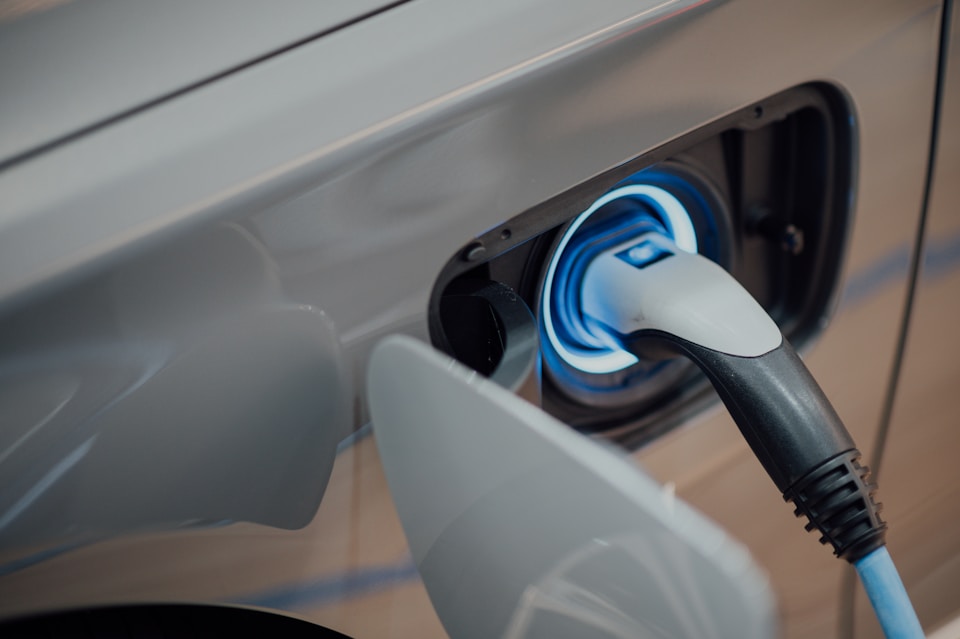
PERMENESDM 1/2023 establishes the legal foundation for developing Stasiun Pengisian Kendaraan Listrik Umum (SPKLU), or Public Electric Vehicle Charging Stations, across Indonesia. The regulation addresses critical gaps in the previous framework by introducing more detailed technical specifications, clarifying licensing procedures, establishing standardized identification systems for charging stations, and implementing performance monitoring mechanisms. The regulation's issuance aligns with Presidential Regulation 55/2019 (as amended by Perpres 79/2023) on the Acceleration of Battery Electric Vehicle Programs for Road Transportation, demonstrating coordinated policy efforts across government ministries.
The strategic importance of PERMENESDM 1/2023 extends beyond environmental considerations. Indonesia's EV policy serves multiple objectives: reducing dependence on imported petroleum products, developing domestic manufacturing capabilities for EV components and batteries, creating new employment opportunities in green technology sectors, and positioning Indonesia as a regional hub for EV production given its abundant nickel reserves (essential for battery manufacturing). The regulation recognizes that without adequate and reliable charging infrastructure, consumer adoption of electric vehicles will remain limited regardless of vehicle availability or government incentives.
This regulatory matrix analysis examines the comprehensive framework established by PERMENESDM 1/2023, focusing on four critical dimensions: (1) the technical and operational requirements for charging infrastructure, (2) the licensing and registration procedures for SPKLU operators, (3) the electricity tariff structure and business model considerations, and (4) the supervision, enforcement, and compliance mechanisms. The analysis provides practical guidance for stakeholders including prospective SPKLU operators, electricity utility companies, vehicle manufacturers, real estate developers, and government agencies responsible for urban planning and transportation policy.
The regulation's effectiveness will ultimately determine whether Indonesia can achieve its ambitious target of 31,859 SPKLU units by 2030, supporting an estimated 2 million electric motorcycles and 400,000 electric cars on Indonesian roads. As the nation's EV ecosystem continues to develop, understanding the regulatory requirements for charging infrastructure becomes essential for all participants in this transformative sector.
2.0 Key Definitions and Scope
2.1 Core Terminology and Legal Definitions
While the complete text of Pasal 1 (Article 1) definitions was not fully accessible through public databases, the regulatory framework established by PERMENESDM 1/2023 employs several critical terms that define the scope and application of charging infrastructure requirements. Based on related regulations and legal commentary, the key definitions include:
Kendaraan Bermotor Listrik Berbasis Baterai (KBL Berbasis Baterai) or Battery-Based Electric Motor Vehicles refer to vehicles powered entirely or primarily by electrical energy stored in rechargeable battery systems, encompassing both two-wheeled, three-wheeled, and four-wheeled vehicles designed for road transportation.
Infrastruktur Pengisian Listrik or Electric Charging Infrastructure encompasses all facilities, equipment, and systems necessary to transfer electrical energy from power sources to vehicle batteries, including both publicly accessible charging stations and private charging installations.
According to Pasal 1 angka 5 of Presidential Regulation 79/2023 (amending Perpres 55/2019), Stasiun Pengisian Kendaraan Listrik Umum (SPKLU) is defined as:
"Stasiun Pengisian Kendaraan Listrik Umum yang selanjutnya disingkat SPKLU adalah sarana pengisian energi listrik untuk KBL Berbasis Baterai untuk umum."
(Public Electric Vehicle Charging Station, abbreviated as SPKLU, is a facility for charging electrical energy for Battery-Based Electric Motor Vehicles available to the public.)
Stasiun Penukaran Baterai Kendaraan Listrik Umum (SPBKLU) or Public Battery Swapping Station for Electric Vehicles refers to facilities where batteries can be exchanged rather than charged in place, representing an alternative infrastructure model particularly relevant for commercial fleet operations and two-wheeled vehicles.
Instalasi Listrik Privat or Private Electrical Installation refers to charging facilities installed at private residences, office buildings, or other non-public locations for use by specific individuals or organizations rather than the general public.
Pelaku Usaha or Business Entity refers to individuals or legal entities engaged in the provision of electric charging infrastructure services, subject to licensing requirements and regulatory supervision under PERMENESDM 1/2023.
2.2 Infrastructure Components and Technical Scope
Pasal 2 ayat (1) of PERMENESDM 1/2023 specifies that electric charging infrastructure for Battery-Based Electric Motor Vehicles comprises two primary categories:
Fasilitas Pengisian Ulang (Recharging Facilities), which must include at minimum:
- Peralatan Catu Daya Listrik (Electrical Power Supply Equipment) - The physical hardware that connects to the electrical grid and delivers power to the vehicle
- Sistem Kontrol Arus, Tegangan, dan Komunikasi (Current, Voltage, and Communication Control Systems) - Monitoring and management systems that regulate charging parameters and enable data exchange between the vehicle and charging station
- Sistem Proteksi dan Keamanan (Protection and Security Systems) - Safety mechanisms including circuit breakers, ground fault detection, emergency shutoff capabilities, and physical security measures
Fasilitas Penukaran Baterai (Battery Swapping Facilities), designated as SPBKLU, which provide alternative infrastructure where vehicle batteries are physically exchanged rather than recharged at the location. This model addresses concerns about charging time and enables faster vehicle turnaround, particularly relevant for commercial applications such as ride-hailing services, delivery fleets, and motorcycle taxi operations.
The regulation distinguishes between recharging at Instalasi Listrik Privat (private installations, such as home charging) and publicly accessible SPKLU facilities. While private installations are subject to general electrical safety standards, SPKLU operations face more comprehensive regulatory requirements due to their public nature and commercial operations.
2.3 Charging Technology Classifications
Pasal 3 of PERMENESDM 1/2023 establishes a four-tier classification system for charging technologies applicable to SPKLU operations. This classification is critical as it determines technical requirements, installation standards, and electricity tariff structures:
For two-wheeled and three-wheeled vehicles, charging technology must conform to applicable Standar Nasional Indonesia (SNI), manufacturer country standards, or recognized international standards. Given the dominance of motorcycles in Indonesian transportation (approximately 85% of total vehicle fleet), this provision ensures compatibility with diverse vehicle models while maintaining safety standards.
For four-wheeled vehicles and larger, the regulation establishes four distinct charging technology categories:
Teknologi Pengisian Lambat (Slow Charging Technology) delivers charging power output up to 7 kilowatts (kW). This technology typically requires 6-8 hours for a full charge and is most suitable for overnight residential charging or workplace installations where vehicles remain parked for extended periods.
Teknologi Pengisian Menengah (Medium Charging Technology) provides charging power between 7 kW and 22 kW. Medium charging can typically complete a full charge in 3-6 hours, making it appropriate for shopping centers, office buildings, and public parking facilities where vehicles remain parked for several hours.
Teknologi Pengisian Cepat (Fast Charging Technology) delivers power exceeding 22 kW up to 50 kW. Fast charging can achieve 80% battery capacity in approximately 30-60 minutes, suitable for highway rest areas, fuel station conversions, and high-traffic urban locations where quick turnaround is essential.
Teknologi Pengisian Sangat Cepat (Ultrafast Charging Technology) provides power output exceeding 50 kW, with some installations capable of 150 kW or higher. Ultrafast charging can deliver 80% charge in 15-30 minutes, critical for highway corridors and addressing range anxiety among potential EV adopters.
This technology classification system enables differentiated regulatory approaches based on infrastructure complexity, investment requirements, and grid impact. Ultrafast charging installations, for example, require more sophisticated electrical infrastructure, grid connection approvals, and potentially on-site power storage systems to manage demand peaks.
2.4 Regulatory Scope and Applicability
PERMENESDM 1/2023 applies to all business entities and individuals engaged in the provision of public electric charging infrastructure within Indonesian territory. The regulation's scope encompasses:
Infrastructure Providers: Entities that own and operate SPKLU facilities, including both independent charging network operators and vertically integrated companies (such as oil and gas companies diversifying into EV charging).
Electricity Distributors: PT Perusahaan Listrik Negara (PLN) and other licensed electricity supply business entities that provide power to SPKLU installations and must establish appropriate tariff structures.
Technology Vendors: Manufacturers and suppliers of charging equipment must ensure their products comply with applicable technical standards referenced in the regulation.
Real Estate Developers: Property developers incorporating SPKLU facilities into commercial, residential, or mixed-use developments must comply with location and technical requirements.
Government Agencies: Central government ministries and regional governments (provincial and district/city level) that establish SPKLU facilities at government office complexes or public facilities.
The regulation explicitly does not govern private charging installations at individual residences or private office buildings unless such installations are made available for public use, in which case they become subject to SPKLU requirements. This distinction is critical for homeowners and businesses seeking to install charging facilities for exclusive use by residents, employees, or specific customers.
3.0 Core Requirements and Provisions
3.1 SPKLU Licensing and Registration Framework
PERMENESDM 1/2023 establishes a structured licensing and identification system designed to ensure regulatory oversight while facilitating infrastructure deployment. Pasal 10 ayat (2) mandates that all business entities operating SPKLU must obtain a Nomor Identitas SPKLU (SPKLU Identity Number), serving as the primary regulatory compliance mechanism.
To obtain the SPKLU Identity Number, business entities must submit documentation to the Minister of Energy and Mineral Resources through the Directorate General of Electricity (Direktorat Jenderal Ketenagalistrikan) pursuant to Pasal 10 ayat (3). The required submission includes:
- Skema SPKLU (SPKLU Scheme) - Technical specifications including charging technology types, power capacity, number of charging points, equipment manufacturers and models, electrical safety systems, and communication protocols
- Lokasi SPKLU (SPKLU Location) - Precise geographic coordinates, site ownership documentation, zoning compliance verification, and accessibility assessments
The SPKLU Identity Number must be prominently displayed at the charging station location in accordance with visibility requirements, enabling users to verify the facility's regulatory status and facilitating government monitoring and public complaint mechanisms. This identification system serves multiple purposes: consumer protection (ensuring facilities meet safety standards), regulatory enforcement (enabling inspection and compliance verification), data collection (supporting government monitoring of infrastructure deployment progress), and market transparency (allowing users to make informed choices among charging providers).
The regulation integrates with the broader risk-based licensing framework established by Government Regulation 5/2021 (Peraturan Pemerintah Nomor 5 Tahun 2021 tentang Penyelenggaraan Perizinan Berusaha Berbasis Risiko), which classifies business activities according to risk levels and applies corresponding regulatory requirements. SPKLU operations are generally classified as medium-risk activities, requiring business entity registration, standard certificates for certain activities, and compliance with technical standards, but not requiring pre-operational permits for lower-power installations.
3.2 Location Requirements and Site Selection Criteria
Pasal 16 of PERMENESDM 1/2023 establishes comprehensive location requirements for SPKLU installations, balancing accessibility objectives with public safety considerations. The regulation requires that SPKLU facilities be located at sites that are:
Mudah Dijangkau oleh Pemilik KBL Berbasis Baterai (Easily Accessible by Battery-Based Electric Motor Vehicle Owners) - Locations must provide convenient access from major roadways, residential areas, and commercial districts, with consideration for visibility, entrance/exit configurations, and proximity to common travel routes.
Menyediakan Tempat Parkir Khusus SPKLU (Providing Dedicated SPKLU Parking Spaces) - Facilities must allocate parking spaces exclusively for vehicles actively charging, preventing spaces from being occupied by non-EV vehicles or EVs not currently charging (often termed "ICE-ing" when internal combustion engine vehicles occupy EV charging spaces).
Tidak Mengganggu Keamanan, Keselamatan, Ketertiban, dan Kelancaran Berlalu Lintas (Not Disrupting Security, Safety, Order, and Traffic Flow) - Installations must not create traffic hazards, obstruct pedestrian pathways, interfere with emergency vehicle access, or compromise public safety through electrical hazards or inadequate lighting.
Pasal 16 ayat (2) identifies priority location categories for SPKLU deployment:
SPBU (Stasiun Pengisian Bahan Bakar Umum) - Existing fuel stations represent ideal locations due to established infrastructure, strategic positioning along major routes, existing customer traffic patterns, and potential for multi-fuel service offerings during the EV transition period. Fuel station operators, particularly Pertamina and Shell, have announced significant SPKLU deployment programs leveraging their extensive station networks.
SPBG (Stasiun Pengisian Bahan Bakar Gas) - Natural gas refueling stations similarly offer strategic locations and infrastructure advantages, with the added benefit of demonstrating alternative fuel options to consumers.
Perkantoran Pemerintah Pusat dan Pemerintah Daerah (Central and Regional Government Office Complexes) - Government facilities serve dual purposes: providing charging infrastructure for government EV fleets (Presidential Instruction 7/2022 mandates government agencies transition to electric vehicles) and demonstrating government commitment to EV adoption while serving the public during office hours.
Pusat Perbelanjaan (Shopping Centers) - Retail and commercial centers offer extended parking durations compatible with medium and fast charging, high customer traffic, and opportunities for destination charging where users charge vehicles while shopping or dining.
Area Parkir Umum di Tepi Jalan (Roadside Public Parking Areas) - On-street parking infrastructure represents emerging opportunities for urban charging, particularly in dense residential areas lacking private parking, though requiring careful integration with municipal parking management and revenue systems.
The regulation intentionally provides flexibility for other location types not explicitly enumerated, recognizing that optimal charging infrastructure locations will vary by regional characteristics, urban density, traffic patterns, and local demand. Hotel and hospitality properties, office buildings, airports, toll road rest areas, universities, hospitals, and apartment complexes represent additional location categories likely to see significant SPKLU deployment.
3.3 Technical Standards and Safety Requirements
The technical requirements established by PERMENESDM 1/2023 ensure interoperability, safety, and reliability across Indonesia's emerging charging infrastructure network. While the regulation references detailed technical standards rather than specifying all requirements within the regulation text itself, the framework addresses several critical technical dimensions:
Standar Nasional Indonesia (SNI) Compliance: All charging equipment and installations must comply with applicable SNI standards, which provide detailed specifications for electrical safety, electromagnetic compatibility, communication protocols, and physical design requirements. Where SNI standards have not yet been developed for specific technologies (particularly newer ultrafast charging systems), the regulation permits reference to manufacturer country standards or recognized international standards such as IEC (International Electrotechnical Commission), SAE (Society of Automotive Engineers), or CCS (Combined Charging System) standards.
Power Supply and Grid Connection: SPKLU installations must obtain appropriate electrical connections from PT PLN or other licensed electricity distributors in accordance with Peraturan Menteri ESDM Nomor 11 Tahun 2021 on the Implementation of Electricity Supply for Public Interest. For high-power fast and ultrafast charging installations, this may require dedicated transformer installations, three-phase power connections, and load management systems to prevent grid destabilization during peak demand periods.
Sistem Kontrol Arus, Tegangan, dan Komunikasi: Charging stations must incorporate monitoring and control systems that:
- Regulate current and voltage delivery to match vehicle battery specifications
- Implement communication protocols enabling data exchange between vehicle and charger (typically following ISO 15118 or equivalent standards)
- Monitor charging session status, energy consumption, and transaction data
- Enable remote monitoring and diagnostics by station operators
- Support payment and authentication systems (RFID cards, mobile applications, or other user identification methods)
Sistem Proteksi dan Keamanan: Comprehensive safety systems must include:
- Ground fault circuit interrupters (GFCI) detecting leakage current and interrupting power
- Overcurrent and overvoltage protection preventing damage to vehicle batteries
- Thermal management systems preventing overheating of charging cables and connectors
- Emergency stop mechanisms enabling immediate power disconnection
- Physical security measures including surveillance systems, adequate lighting, and weather protection
- Cable management systems preventing trip hazards
- Clear safety signage and emergency contact information
Connector Standardization: While the regulation does not mandate a single connector standard, Indonesia has generally adopted the GB/T standard (prevalent in Chinese-manufactured vehicles, which dominate Indonesia's EV imports) alongside CCS2 connectors (European standard) and CHAdeMO (Japanese standard). The practical market outcome has been multi-standard charging stations at many SPKLU locations to ensure broad vehicle compatibility, though this increases infrastructure costs.
Integration and Interoperability Requirements: The regulation's reference to communication systems implicitly requires SPKLU operators to implement systems enabling user identification, session management, payment processing, and data reporting. The Indonesian government has indicated intentions to develop a unified charging network platform enabling users to access multiple charging networks through a single account or payment method, though detailed technical specifications for such integration remain under development.
3.4 Matrix 1: Technical Requirements and Infrastructure Components
3.5 Matrix 2: Priority Location Categories and Site Selection Criteria
4.0 Implementation Framework
4.1 Electricity Tariff Structure and Business Models
PERMENESDM 1/2023 addresses electricity tariffs for SPKLU operations in recognition that pricing structure significantly impacts both infrastructure deployment economics and consumer adoption rates. The regulation establishes a framework balancing investor returns, consumer affordability, and electricity sector sustainability.
Electricity Supply for SPKLU: SPKLU operators obtain electricity from PT PLN or other licensed electricity distributors under specific tariff categories established for EV charging purposes. The electricity tariff structure considers multiple factors: power consumption patterns (SPKLU represents baseload shifting opportunity, potentially utilizing off-peak capacity), infrastructure investment costs borne by the electricity sector, national energy policy objectives (supporting EV transition), and the need for cost-reflective pricing to ensure grid sustainability.
The Ministry of Energy and Mineral Resources periodically issues tariff adjustments through ministerial decrees, reflecting changes in generation costs, grid infrastructure investments, and policy priorities. As of the regulation's implementation, SPKLU operators typically obtain electricity at rates more favorable than standard commercial/industrial tariffs, recognizing the public benefit of charging infrastructure deployment, though specific rates vary based on voltage level, connection type, and contracted capacity.
SPKLU Operator Pricing to Consumers: The regulation allows SPKLU operators to establish retail pricing to end users based on market conditions, subject to transparency and disclosure requirements. This market-based pricing approach contrasts with the heavily subsidized and government-controlled fuel pricing that characterizes Indonesia's petroleum sector, reflecting the government's intent to develop competitive charging services markets.
SPKLU operators typically employ several pricing strategies:
- Per-kWh Pricing: Charging fees based on energy delivered (e.g., Rp 2,500-4,000 per kWh depending on location and charging speed)
- Time-Based Pricing: Fees calculated based on connection duration, more common for fast/ultrafast charging where power delivery is constrained by vehicle capabilities rather than station output
- Subscription Models: Monthly or annual memberships providing discounted rates, encouraging customer loyalty
- Tiered Pricing: Different rates for slow/medium/fast/ultrafast charging, reflecting infrastructure cost differences
- Dynamic Pricing: Time-of-day variations encouraging off-peak charging and managing grid demand
The regulation requires transparent display of pricing information at charging locations and through mobile applications or other user interfaces, enabling consumers to make informed decisions among charging options.
Business Model Considerations: SPKLU deployment faces significant economic challenges in early market stages. Capital costs for charging equipment (ranging from USD 5,000-10,000 for medium chargers to USD 100,000+ for ultrafast charging stations), electrical infrastructure upgrades, site preparation, and ongoing operational costs (electricity, maintenance, connectivity, customer service) must be recovered through charging revenues in a market with limited EV penetration and low utilization rates.
Successful SPKLU business models typically incorporate additional revenue streams: partnerships with property owners sharing costs and revenues, advertising opportunities at high-traffic charging locations, retail services at charging locations, corporate fleet charging contracts providing baseload revenue, and government incentive programs supporting infrastructure deployment.
4.2 Licensing Process and Regulatory Compliance
The practical implementation of PERMENESDM 1/2023 requires SPKLU operators to navigate multiple regulatory processes across different government agencies and jurisdictional levels:
Phase 1: Business Entity Establishment and Registration - Operators must establish legal business entities (PT, CV, or other recognized forms) and obtain general business registration through the Online Single Submission (OSS) system implementing risk-based licensing under Government Regulation 5/2021. The OSS system generates NIB (Nomor Induk Berusaha, or Business Identification Number), which serves as the foundation for subsequent sector-specific registrations.
Phase 2: Site Selection and Land Use Approvals - Operators must secure appropriate site control through ownership, lease agreements, or cooperation arrangements with property owners. Land use must comply with local zoning regulations, obtainable through district/city spatial planning offices. For SPKLU at government offices or public facilities, formal cooperation agreements with relevant agencies are required.
Phase 3: Electrical Installation Planning and Approvals - Detailed electrical installation plans must be prepared by certified electrical engineers, specifying power requirements, connection points, protection systems, and compliance with SNI standards. Grid connection applications are submitted to PT PLN or relevant distributors, which assess grid capacity, determine connection requirements, and establish contracted capacity and tariff categories. For high-power installations (particularly ultrafast charging), this phase may require grid infrastructure upgrades with cost-sharing arrangements between the operator and distributor.
Phase 4: SPKLU Identity Number Application - With site control, electrical installation plans, and grid connection approvals secured, operators submit documentation to the Ministry of Energy and Mineral Resources (through the Directorate General of Electricity) to obtain the SPKLU Identity Number as mandated by Pasal 10. Required documentation includes: business entity registration proof (NIB), site location with coordinates and land status, SPKLU technical specifications (charging technology, capacity, equipment), electrical installation design and SNI compliance certification, grid connection approval from electricity distributor, and site photographs and layout plans.
The Ministry reviews applications for completeness and compliance with regulatory requirements, with approval processes varying from several weeks to several months depending on installation complexity and completeness of documentation. Upon approval, the Ministry issues the SPKLU Identity Number, which must be prominently displayed at the facility.
Phase 5: Construction and Installation - Physical installation must be executed by qualified contractors with appropriate certifications for electrical work. Installation must adhere to approved plans and specifications, with any material changes requiring supplemental approvals. Quality control during installation is critical to ensure safety and long-term reliability.
Phase 6: Final Inspection and Certification - Upon installation completion, operators must obtain:
- Certificate of Electrical Installation Worthiness (Sertifikat Laik Operasi Instalasi Listrik, or SLO) from accredited inspection agencies, verifying electrical safety and SNI compliance
- Fire safety inspection clearance (for applicable installations)
- Local government operational permits (if required by regional regulations)
- Final inspection by PT PLN or the electricity distributor before energization
Phase 7: Commercial Operations and Ongoing Compliance - Once all certifications are obtained and the SPKLU Identity Number is displayed, the facility may commence commercial operations. Operators must implement systems for transaction recording, consumer complaint handling, regular maintenance and safety inspections, data reporting to government agencies (usage statistics, operational status, incidents), and periodic recertification of electrical installations (typically annually or biennially).
4.3 Matrix 3: Implementation Process and Regulatory Compliance Requirements
4.4 Data Reporting and Performance Monitoring
PERMENESDM 1/2023 establishes requirements for SPKLU operators to report operational data to the Ministry of Energy and Mineral Resources, supporting government monitoring of infrastructure deployment progress, utilization patterns, and sector development. While the regulation does not specify exhaustive reporting requirements (likely to be detailed in implementing technical guidelines), typical reporting expectations include:
Infrastructure Inventory Reporting: Number and location of operational SPKLU units; Charging technology types and capacities; Operational status (active, under maintenance, temporarily offline); Equipment specifications and manufacturers
Usage Statistics: Total energy delivered (kWh); Number of charging sessions; Average session duration and energy delivery; Peak usage periods and patterns; User registration statistics (unique users, membership growth)
Performance Metrics: Equipment uptime and availability rates; Malfunction incidents and resolution times; Customer complaints and resolutions; Safety incidents and responses
Financial and Economic Data: Investment costs and sources; Revenue generation; Operating costs; Pricing structures; Grid electricity consumption and costs
This data enables government agencies to assess whether infrastructure deployment meets national targets (31,859 SPKLU by 2030), identify geographic gaps in coverage, evaluate utilization patterns informing future incentive programs, monitor consumer pricing for potential intervention if market failures emerge, and support research and planning for grid infrastructure upgrades.
Operators should implement robust data management systems from project inception, recognizing that comprehensive operational data provides value not only for regulatory compliance but also for business optimization, maintenance planning, customer service improvement, and investor reporting.
5.0 Practical Implications and Strategic Considerations
5.1 Investment and Market Entry Analysis
For prospective SPKLU operators, PERMENESDM 1/2023 establishes a relatively accessible regulatory framework compared to heavily licensed infrastructure sectors, yet significant economic and strategic considerations affect market entry decisions.
Capital Requirements and Financial Planning: SPKLU deployment requires substantial upfront capital for charging equipment (varying from approximately USD 5,000 for Level 2 chargers to USD 100,000+ for ultrafast DC charging stations with multiple dispensers), electrical infrastructure (grid connection fees, transformer installations, power distribution equipment, protection systems), site development (civil works, parking area preparation, lighting, signage, weather protection), and systems integration (payment terminals, network connectivity, back-office management systems, mobile applications).
For a medium-scale deployment of 20 charging points across multiple locations, total investment typically ranges from USD 300,000 to USD 1 million depending on charging technology mix, location types, and site-specific requirements. Financial planning must account for long payback periods in early market stages (often 7-10 years at current EV penetration rates), low initial utilization rates (many early SPKLU locations experience less than 2-3 charging sessions per day), ongoing operational costs (electricity, maintenance, connectivity, customer service, marketing), and technology obsolescence risk (charging standards and capabilities evolve rapidly).
Business Model Selection and Revenue Diversification: Successful SPKLU operators typically pursue diversified business models rather than relying solely on charging session revenues:
Network Operator Model: Companies establish branded charging networks across multiple locations, building user bases through mobile applications, membership programs, and roaming agreements with other networks. This model emphasizes scale, brand recognition, and data-driven optimization but requires significant capital and sophisticated operations.
Site Partnership Model: Operators partner with property owners (shopping malls, office buildings, hotels, fuel stations), sharing installation costs and revenues. This model reduces capital requirements and leverages property owner customer traffic but involves complex partnership negotiations and revenue sharing.
Fleet Services Model: Focus on commercial fleet charging (ride-hailing, delivery, logistics companies) through dedicated facilities and service contracts, providing more predictable revenue than public charging but requiring customized solutions and long-term contracts.
Vertically Integrated Model: Automotive manufacturers or energy companies integrate charging network operations with vehicle sales or electricity distribution, using charging infrastructure as strategic competitive advantage rather than standalone profit center.
Strategic Location Selection: Location choice fundamentally determines SPKLU financial performance. High-performing locations typically combine several characteristics: high existing traffic (shopping centers, office buildings, popular destinations), demographic alignment with EV adoption (higher income, environmentally conscious consumers), favorable site economics (reasonable lease costs, adequate existing electrical infrastructure), and limited competition (first-mover advantage in underserved areas).
Geographic strategy should balance urban concentration (higher EV density but more competition) with strategic corridor coverage (essential for enabling inter-city travel, addressing range anxiety, but lower utilization in early adoption phases). Government targets and incentive programs may influence geographic prioritization.
Technology Selection and Future-Proofing: Operators must select charging technologies balancing current market needs (predominantly slow and medium charging) with future demand evolution (increasing fast and ultrafast charging for consumer convenience). Technology selection considerations include:
- Current EV Fleet Composition: Indonesia's EV market is dominated by two-wheeled vehicles (electric motorcycles and scooters) and lower-cost Chinese-manufactured four-wheeled vehicles, typically with smaller batteries (30-50 kWh) for which medium charging (7-22 kW) is adequate
- Future EV Trends: Expected introduction of longer-range vehicles with larger batteries and faster charging capabilities, requiring ultrafast charging infrastructure
- Connector Standardization: While GB/T connectors currently dominate (aligning with Chinese vehicle imports), CCS2 is gaining adoption, suggesting multi-standard installations may be necessary
- Grid Connection Costs: Ultrafast charging installations require high-power grid connections with substantial upfront costs, potentially economically viable only at high-traffic locations
Modular installation strategies—beginning with medium charging and installing higher-power capacity as demand materializes—may optimize capital efficiency, though pre-planning electrical infrastructure for future upgrades is essential.
5.2 Compliance Risk Management and Operational Excellence
SPKLU operators face multiple compliance and operational risk categories requiring proactive management:
Regulatory Compliance Risks: Failure to obtain or maintain required certifications (SPKLU Identity Number, SLO, operational permits) can result in enforcement actions including operational suspension, administrative fines, or forced facility closure. Compliance risk management requires systematic tracking of certification expiration dates and renewal requirements, designated compliance personnel responsible for regulatory monitoring and reporting, documentation management systems maintaining inspection records and correspondence, and relationships with regulatory agencies facilitating communication and issue resolution.
Electrical Safety Risks: Charging infrastructure involves high-voltage electrical systems presenting safety hazards to users and operators. Safety risk management encompasses rigorous adherence to SNI standards and electrical codes, regular preventive maintenance by qualified technicians, incident response protocols for electrical malfunctions or accidents, safety training for operational personnel, insurance coverage for electrical incidents and liability, and prompt investigation and remediation of any safety incidents.
Consumer Protection and Service Quality: SPKLU operators face increasing consumer expectations for reliability, ease of use, and customer service. Service quality management includes maximizing equipment uptime through preventive maintenance and rapid fault response, transparent pricing and clear user instructions, responsive customer service handling complaints and technical support, accurate billing and transaction records, and disability access considerations (connector height, payment interfaces, assistance).
Cybersecurity and Data Privacy: Connected charging infrastructure involving payment transactions, user accounts, and network communications presents cybersecurity vulnerabilities. Protective measures include secure payment processing complying with PCI DSS or equivalent standards, user data privacy protection in accordance with Indonesian data protection regulations, network security protecting against unauthorized access to charging station controls, regular security assessments and vulnerability testing, and incident response plans for cybersecurity breaches.
Grid Interaction and Power Quality: SPKLU operations, particularly fast and ultrafast charging, can significantly impact local grid stability and power quality. Grid risk management involves adherence to contracted capacity limits and demand management, power factor correction and harmonics mitigation if required by grid operator, coordination with PLN for planned maintenance or grid outages, consideration of on-site energy storage or renewable generation to manage demand peaks and reduce grid impact, and participation in future vehicle-to-grid (V2G) programs if implemented.
5.3 Matrix 4: Stakeholder Roles, Responsibilities, and Strategic Considerations
5.4 Integration with Broader EV Ecosystem Policies
PERMENESDM 1/2023 operates within a comprehensive policy ecosystem designed to accelerate Indonesia's EV transition. Understanding this broader context enables stakeholders to align strategies with multiple policy incentives and requirements:
Presidential Regulation 55/2019 (as amended by Perpres 79/2023): Establishes national EV acceleration program with targets for vehicle production and adoption, domestic manufacturing incentive structures, government procurement requirements, and coordination mechanisms among ministries. SPKLU deployment directly supports these objectives by addressing infrastructure barriers to adoption.
Presidential Instruction 7/2022: Mandates central and regional government agencies to transition operational vehicle fleets and official vehicles to electric vehicles, creating guaranteed demand for both EVs and charging infrastructure at government facilities, supporting PERMENESDM 1/2023's prioritization of government office locations for SPKLU.
Ministry of Industry Regulations (Permenperin 6/2022, 6/2023): Establish vehicle specifications, manufacturing roadmaps, and local content (TKDN) requirements for EVs, with financial incentives for vehicle purchases tied to TKDN levels. These policies aim to develop domestic EV manufacturing, increasing vehicle affordability and availability, thereby driving charging infrastructure demand.
Government Regulation 5/2021 (Risk-Based Licensing): Establishes the overall business licensing framework under which SPKLU operations are classified, determining general business registration and compliance requirements beyond the specific PERMENESDM 1/2023 provisions.
Ministry of Finance Incentives: Various tax incentives for EV purchases (reduced luxury goods sales tax, import duty reductions for EVs and components), EV manufacturing investments (corporate tax holidays, import duty exemptions for manufacturing equipment), and potential future incentives for charging infrastructure investment are critical to sector economics.
Successful SPKLU operators and other stakeholders should actively monitor these interconnected policies, recognizing that adjustments in any component affect overall sector dynamics. For example, increased vehicle purchase incentives accelerating EV adoption directly improve SPKLU utilization and investment returns, while local content requirements may affect vehicle pricing and therefore adoption rates and charging infrastructure demand.
5.5 Future Regulatory and Technology Evolution
The regulatory landscape for EV charging infrastructure will inevitably evolve as Indonesia's EV market matures, technology advances, and international best practices inform policy adjustments. Anticipated areas of regulatory development include:
Interoperability and Open Access Requirements: As multiple charging networks develop, regulatory measures may require open roaming agreements enabling users of any network to access charging stations operated by competitors, preventing market fragmentation and enhancing consumer convenience. The European Union's Alternative Fuels Infrastructure Regulation (AFIR) provides a potential model for such requirements.
Dynamic Electricity Pricing and Grid Services: Future regulations may implement time-of-use electricity pricing for SPKLU to incentivize off-peak charging, reducing grid stress and maximizing utilization of renewable generation. More advanced vehicle-to-grid (V2G) frameworks could enable EVs to provide grid services (frequency regulation, demand response, backup power), requiring regulatory frameworks for bidirectional charging, grid service compensation, and battery warranty considerations.
Performance and Reliability Standards: As charging infrastructure becomes critical transportation infrastructure, minimum reliability standards (uptime requirements, maximum repair timeframes, payment system reliability) may be implemented to ensure consumer confidence and prevent market failures from poor-quality operators.
Data Standardization and Sharing: More detailed specifications for data collection, standardization, and sharing among operators and government agencies may be implemented to support grid planning, transportation planning, and policy evaluation. Privacy protection frameworks will need to balance data utility with consumer rights.
Wireless and Autonomous Vehicle Charging: Emerging technologies including wireless inductive charging and automated charging systems for autonomous vehicles may require new technical standards and safety frameworks beyond current physical connector-based systems.
Equity and Access Requirements: As EV adoption spreads beyond early adopters, policies may address equitable charging access for lower-income communities, multi-unit dwellings, and rural areas, potentially including universal service requirements or targeted subsidy programs.
SPKLU operators and other stakeholders should engage in regulatory policy dialogues through industry associations, public consultations on regulatory revisions, and direct engagement with government agencies to ensure that evolving regulations balance innovation, investment protection, consumer interests, and public policy objectives.
Conclusion
Peraturan Menteri ESDM Nomor 1 Tahun 2023 establishes a comprehensive and forward-looking regulatory framework for electric vehicle charging infrastructure in Indonesia, replacing the previous PERMENESDM 13/2020 with enhanced provisions addressing licensing procedures, technical standards, location requirements, tariff structures, and monitoring mechanisms. The regulation reflects the Indonesian government's commitment to accelerating the nation's electric vehicle transition as a core component of climate change mitigation, energy security enhancement, and domestic green technology industry development.
For SPKLU operators, PERMENESDM 1/2023 provides a relatively accessible market entry framework compared to heavily licensed infrastructure sectors, with the SPKLU Identity Number registration system serving as the primary regulatory compliance mechanism. The regulation's flexibility in location selection (while prioritizing strategic sites such as fuel stations, government offices, and shopping centers) and technology choices (accommodating slow through ultrafast charging) enables operators to develop diverse business models tailored to market segments and geographic contexts.
The practical implementation of PERMENESDM 1/2023 requires SPKLU operators to navigate multiple regulatory processes across national and regional government agencies, coordinate with electricity distributors for grid connections, obtain various technical certifications and safety approvals, and establish operational systems for ongoing compliance including data reporting, maintenance, and consumer protection. Successful market participants will combine technical competence, regulatory compliance management, strategic location selection, financial sustainability planning, and customer service excellence.
For the broader ecosystem of stakeholders—including automotive manufacturers, electricity utilities, property owners, government agencies, and consumers—PERMENESDM 1/2023 represents one component of an interconnected policy framework driving Indonesia's EV transition. The regulation's effectiveness in achieving Indonesia's ambitious infrastructure targets (31,859 SPKLU units by 2030) will depend not only on regulatory compliance but also on continued government policy support, financial incentives for infrastructure investment, vehicle affordability and availability, consumer awareness and acceptance, and technological advancement in charging technologies and grid integration.
As Indonesia's EV market evolves from early adoption toward mainstream market penetration over the coming decade, PERMENESDM 1/2023 provides a foundation for regulatory evolution addressing emerging challenges such as charging network interoperability, grid integration of large-scale EV charging, dynamic pricing and demand management, performance and reliability standards, and equitable access to charging infrastructure across geographic and socioeconomic dimensions.
The regulation represents a significant step forward in Indonesia's infrastructure regulatory maturity, balancing clarity and accessibility for market participants with sufficient flexibility to accommodate rapid technological change in the dynamic electric mobility sector. Stakeholders who understand and effectively navigate the PERMENESDM 1/2023 framework—while remaining engaged in ongoing regulatory development—will be well-positioned to participate in and benefit from Indonesia's electric vehicle transition over the decades ahead.
Disclaimer
This article was drafted with AI-assisted research tools and reviewed by the CRPG editorial team. For legal advice, please consult a qualified professional. The content is provided for informational purposes only and should not be relied upon as legal advice or authoritative interpretation of regulations.
We accept no liability whatsoever for any decisions made based on this article. Readers are strongly advised to:
- Consult the official regulation text from government sources
- Seek professional legal counsel for specific matters
- Verify all information independently
This AI-assisted application is designed to improve access to regulatory information.
Law Database
Access PERMENESDM 1/2023 in the CRPG Law Database: PERMENESDM 1/2023