Indonesia's 70% Marine Plastic Reduction Target: PERPRES 83/2018
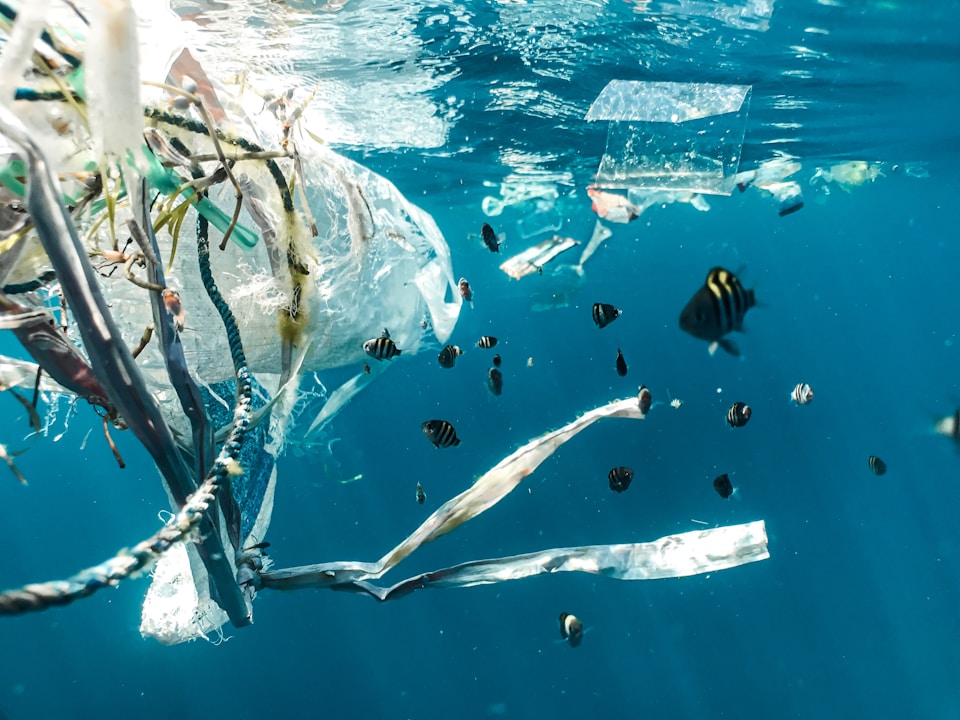
Indonesia faces a critical environmental challenge as one of the world's largest contributors to marine plastic pollution. Recognizing this urgent issue, the Indonesian government established a comprehensive regulatory framework through Presidential Regulation Number 83 of 2018 concerning Management of Marine Debris (PERPRES 83/2018). This regulation sets an ambitious national target: reducing marine plastic waste by 70 percent by 2025. The regulation represents Indonesia's commitment to addressing ocean pollution through coordinated national action.
PERPRES 83/2018 was enacted on September 4, 2018, establishing the National Action Plan for Marine Debris Management covering the period 2018-2025. The regulation explicitly states its purpose as "menindaklanjuti komitmen Pemerintah Indonesia untuk menangani sampah plastik di laut sebesar 70% (tujuh puluh persen) sampai dengan tahun 2025" (following up on the Indonesian Government's commitment to handle marine plastic waste by 70 percent until 2025). This seven-year roadmap provides the strategic foundation for Indonesia's marine debris reduction efforts.
The regulatory framework works in conjunction with Presidential Regulation Number 97 of 2017 concerning National Policy and Strategy for Household Waste and Household-Like Waste Management (PERPRES 97/2017). While PERPRES 97/2017 establishes broader waste reduction targets of 30 percent by 2025 and waste handling targets of 70 percent by 2025, PERPRES 83/2018 specifically addresses the marine environment. This dual-regulation approach ensures that land-based waste management improvements directly support marine debris reduction goals.
PERPRES 83/2018 Pasal 1 provides critical definitions that frame the entire regulatory approach. The regulation defines marine pollution as "masuknya makhluk hidup, zat, energi, dan/atau komponen lain ke dalam lingkungan laut oleh kegiatan manusia sehingga melampaui baku mutu air laut yang telah ditetapkan" (the entry of living creatures, substances, energy, and/or other components into the marine environment by human activities that exceed established seawater quality standards). This definition establishes the scientific basis for intervention by linking human activities to measurable environmental degradation.
Marine debris itself is comprehensively defined in Pasal 1 ayat (3) as "sampah yang berasal dari daratan, badan air, dan pesisir yang mengalir ke laut atau sampah yang berasal dari kegiatan di laut" (waste originating from land, water bodies, and coastal areas that flows to the sea or waste originating from activities at sea). This definition explicitly recognizes that marine debris has multiple sources, with the majority originating from land-based activities. The land-sea linkage is fundamental to understanding why coastal and watershed management must be integrated into marine protection strategies.
Plastic waste receives special attention in the definitional framework. Pasal 1 ayat (4) defines plastic waste as "sampah yang mengandung senyawa polimer" (waste containing polymer compounds). This broad definition encompasses all plastic materials regardless of type or origin, acknowledging that various polymer-based products contribute to marine pollution. The focus on plastic reflects global scientific consensus that plastic debris poses unique environmental threats due to its persistence, bioaccumulation potential, and impact on marine ecosystems.
The National Action Plan established by Pasal 2 is structured around five strategic pillars. The regulation states these strategies as "a. gerakan nasional peningkatan kesadaran para pemangku kepentingan; b. pengelolaan sampah yang bersumber dari darat; c. penanggulangan sampah di pesisir dan laut; d. mekanisme pendanaan, penguatan kelembagaan, pengawasan, dan penegakan hukum; dan e. penelitian dan pengembangan" (a. national movement to increase stakeholder awareness; b. management of waste originating from land; c. handling of waste in coastal and marine areas; d. funding mechanisms, institutional strengthening, supervision, and law enforcement; and e. research and development). These five pillars create a comprehensive approach addressing prevention, management, enforcement, and knowledge generation.
The first pillar focuses on behavioral change through national awareness campaigns. Recognizing that marine debris results largely from human behavior, the regulation prioritizes education and stakeholder engagement. This pillar targets multiple audiences including government agencies, private sector entities, civil society organizations, and the general public. Awareness activities aim to reduce plastic consumption, improve waste disposal practices, and build public support for marine protection policies.
The second pillar addresses land-based sources of marine debris through improved waste management systems. Since research indicates that approximately 80 percent of marine debris originates from terrestrial sources, controlling waste on land becomes critical to protecting the ocean. This pillar encompasses municipal waste collection, recycling infrastructure, landfill management, and prevention of waste entering waterways. The land-based focus aligns with PERPRES 97/2017's broader waste management targets.
The third pillar targets waste already present in coastal and marine environments. This includes beach cleanups, removal of floating debris, recovery of sunken waste, and restoration of affected ecosystems. Coastal municipalities and fishing communities play central roles in implementing this pillar. The regulation recognizes that even as land-based prevention improves, existing marine debris requires active removal to restore ecosystem health.
The fourth pillar establishes enabling conditions for sustained action through funding mechanisms, institutional capacity, supervision systems, and legal enforcement. Pasal 4 creates the National Coordination Team for Marine Debris Management, which is described as "berkedudukan di bawah dan bertanggung jawab langsung kepada Presiden" (positioned under and directly responsible to the President). This presidential-level coordination demonstrates the government's commitment to prioritizing marine debris issues at the highest administrative level.
The National Coordination Team comprises representatives from multiple ministries and agencies, reflecting the cross-sectoral nature of marine debris challenges. Members include officials from the Ministry of Environment and Forestry, Ministry of Maritime Affairs and Fisheries, Ministry of Home Affairs, Ministry of National Development Planning, Ministry of Public Works and Housing, and other relevant agencies. This multi-stakeholder composition ensures that marine debris management integrates perspectives from environment, maritime, infrastructure, planning, and local government sectors.
The fifth pillar promotes research and development to improve understanding of marine debris sources, impacts, and solutions. Scientific research supports evidence-based policymaking by quantifying debris volumes, identifying pollution hotspots, assessing ecosystem impacts, and evaluating intervention effectiveness. Research activities include monitoring programs, technological innovation for waste collection and recycling, and studies on biodegradable alternatives to conventional plastics. Knowledge generation ensures that policies adapt to emerging scientific understanding.
Pasal 3 establishes the National Action Plan document as the operational guide for implementing the five strategic pillars. The regulation states that the Action Plan contains "program, kegiatan, dan target penurunan sampah plastik di laut" (programs, activities, and targets for reducing plastic waste in the sea). This document provides specific timelines, responsible agencies, budget allocations, and performance indicators for each strategy. The Action Plan translates broad regulatory goals into concrete implementation steps.
The 70 percent reduction target represents an ambitious but technically achievable goal based on international best practices. This target encompasses multiple intervention types including source reduction (decreased plastic production and consumption), improved waste collection (preventing waste from entering waterways), enhanced recycling (diverting plastic from disposal), and active removal (cleaning existing debris). The cumulative effect of interventions across all five pillars is expected to achieve the 70 percent reduction by 2025.
Indonesia's marine debris challenge has significant economic dimensions beyond environmental impacts. Tourism industries suffer when beaches are littered with plastic waste, reducing visitor numbers and revenue for coastal communities. Fishing industries experience reduced catches as marine ecosystems degrade and fishing gear becomes entangled in debris. Marine transportation faces hazards from floating waste that can damage vessels. These economic impacts justify substantial investment in debris prevention and removal.
The regulation explicitly connects to Indonesia's international commitments on ocean protection. Indonesia participates in regional initiatives such as the ASEAN Framework of Action on Marine Debris and global efforts including the UN Clean Seas Campaign. PERPRES 83/2018 domesticates these international commitments into national law, creating enforceable obligations for government agencies. The regulation demonstrates Indonesia's leadership on marine environmental issues within Southeast Asia.
Implementation monitoring occurs through regular reporting by the National Coordination Team to the President. Agencies responsible for specific Action Plan activities must submit progress reports documenting outputs, outcomes, and expenditures. This accountability mechanism ensures that the 70 percent target remains a priority across government agencies. Performance data informs mid-course corrections when activities fail to achieve expected results.
Local governments play crucial implementation roles under PERPRES 83/2018. Provincial and municipal administrations develop regional action plans aligned with the national framework. Coastal municipalities establish waste collection infrastructure, conduct beach cleanups, regulate single-use plastics, and engage communities in behavioral change programs. The regulation's success depends heavily on effective decentralized implementation by local authorities with direct control over waste management systems.
The private sector contributes to marine debris reduction through extended producer responsibility programs, corporate cleanup initiatives, and innovation in packaging design. Industries producing plastic products face increasing pressure to reduce packaging, use recycled materials, and develop biodegradable alternatives. Retail and hospitality sectors implement policies to eliminate single-use plastics. Corporate engagement is essential because production and consumption patterns ultimately determine waste generation rates.
Civil society organizations amplify government efforts through grassroots mobilization, advocacy, and monitoring. Environmental NGOs organize community cleanups, conduct research, and pressure policymakers for stronger regulations. Community groups implement local solutions adapted to specific contexts. Youth movements raise awareness among younger generations. Civil society participation ensures that marine debris management reflects diverse stakeholder perspectives and maintains public attention.
Pasal 5 addresses funding mechanisms by stating that implementation costs are covered through "Anggaran Pendapatan dan Belanja Negara, Anggaran Pendapatan dan Belanja Daerah, dan/atau sumber dana lain yang sah dan tidak mengikat sesuai dengan ketentuan peraturan perundang-undangan" (State Budget, Regional Budgets, and/or other lawful and non-binding funding sources in accordance with statutory provisions). This flexible funding framework allows multiple financing streams including government budgets, international development assistance, private sector contributions, and philanthropic donations.
Challenges to achieving the 70 percent target include inadequate waste collection infrastructure in many coastal areas, limited recycling capacity for plastic materials, weak enforcement of existing waste regulations, and persistent behavioral patterns of improper disposal. Addressing these challenges requires sustained investment, institutional capacity building, technological innovation, and cultural change. The seven-year timeline acknowledges that systemic transformation cannot occur instantly.
The relationship between PERPRES 83/2018 and PERPRES 97/2017 demonstrates regulatory coherence in Indonesia's waste management framework. While PERPRES 97/2017 establishes upstream targets for waste reduction and handling across all waste streams, PERPRES 83/2018 addresses the downstream marine environment specifically affected by waste management failures. Together, these regulations create a continuum from waste generation on land through to ocean pollution, with targeted interventions at each stage.
Looking toward 2025, the regulation's success will be measured not only by quantitative debris reduction but also by institutional capacity improvements, behavioral changes, and ecosystem recovery. Intermediate milestones allow assessment of progress and adjustment of strategies. The National Coordination Team's annual reporting provides transparency about achievements and shortfalls. Ultimately, the regulation's legacy depends on whether Indonesia builds durable systems that sustain marine protection beyond the initial seven-year period.
PERPRES 83/2018 represents a critical step in Indonesia's environmental governance evolution. By establishing presidential-level coordination, setting measurable targets, and mobilizing multi-stakeholder action, the regulation demonstrates that marine debris receives serious policy attention. The 70 percent target, while ambitious, reflects scientific assessments of what is necessary to reverse ocean pollution trends. As implementation progresses, Indonesia's experience will provide valuable lessons for other nations facing similar marine debris challenges.
The regulation's ultimate success requires integrating marine debris management into broader sustainable development strategies. Ocean health connects to climate change, biodiversity conservation, food security, and economic development. PERPRES 83/2018 contributes to multiple Sustainable Development Goals including Goal 14 (Life Below Water), Goal 12 (Responsible Consumption and Production), and Goal 11 (Sustainable Cities and Communities). This integration ensures that marine debris management advances alongside other national development priorities.
Indonesia's National Action Plan for Marine Debris Management under PERPRES 83/2018 charts an ambitious course toward cleaner oceans. Through coordinated national action across five strategic pillars, presidential-level oversight, multi-stakeholder engagement, and adequate resourcing, Indonesia aims to achieve its 70 percent reduction target by 2025. The regulation provides the legal foundation, institutional architecture, and implementation roadmap necessary to transform Indonesia's relationship with its marine environment. Whether this transformation succeeds will depend on sustained political will, adequate funding, effective local implementation, and genuine behavioral change across Indonesian society.
Official Sources:
- PERPRES 83/2018: https://peraturan.bpk.go.id/Details/95988
- PERPRES 97/2017: https://peraturan.bpk.go.id/Details/73225
Disclaimer
This article was AI-generated under an experimental legal-AI application. It may contain errors, inaccuracies, or hallucinations. The content is provided for informational purposes only and should not be relied upon as legal advice or authoritative interpretation of regulations.
We accept no liability whatsoever for any decisions made based on this article. Readers are strongly advised to:
- Consult the official regulation text from government sources
- Seek professional legal counsel for specific matters
- Verify all information independently
This experimental AI application is designed to improve access to regulatory information, but accuracy cannot be guaranteed.
Law Database
Access PERPRES 83/2018 in the CRPG Law Database: PERPRES 83/2018