Leachate and Ash: Managing TPA Environmental Risks Under Indonesian Law
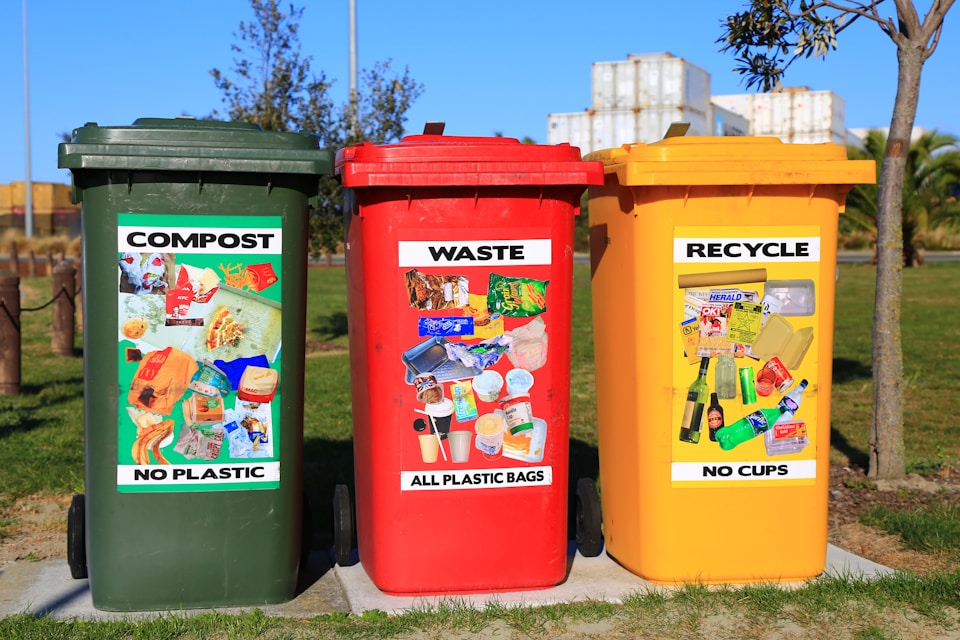
Final waste disposal facilities, known as Tempat Pemrosesan Akhir (TPA) in Indonesia, serve as critical infrastructure in the national waste management system. However, these facilities generate byproducts that pose significant environmental and public health risks if not properly managed. Two of the most hazardous outputs from TPA operations are leachate from conventional landfills and ash residues from thermal processing facilities. Understanding the regulatory framework governing these contaminants is essential for ensuring environmental protection and regulatory compliance.
The Indonesian government has established comprehensive regulatory standards to address these environmental risks through two key ministerial regulations. PERMENLHK No. 59 of 2016 establishes quality standards for leachate generated at TPA facilities, while PERMENLHK No. 26 of 2020 addresses the management of bottom ash and fly ash produced by thermal waste processing operations. Together, these regulations form a coordinated framework for managing the most hazardous outputs of Indonesia's waste disposal infrastructure.
This article examines the legal requirements for leachate and ash management at Indonesian waste facilities, analyzing the definitions, quality standards, and operational obligations established under these two ministerial regulations. By reviewing the specific provisions and technical requirements, this analysis provides waste facility operators, environmental consultants, and regulatory authorities with a comprehensive understanding of compliance obligations for managing TPA environmental hazards.
Regulatory Framework: Dual Approach to TPA Contaminants
Indonesia's regulatory approach to TPA environmental risks reflects the distinct characteristics of different waste processing technologies. Conventional landfill operations generate leachate as rainwater infiltrates waste deposits and mobilizes dissolved contaminants. Modern waste-to-energy facilities, by contrast, produce solid ash residues containing concentrated heavy metals and other hazardous substances. The regulatory framework addresses both scenarios through technology-specific requirements.
PERMENLHK No. 59 of 2016 concerning Quality Standards for Processed Leachate from Waste Processing and/or Final Disposal Businesses and/or Activities was issued on December 21, 2016. This regulation establishes mandatory effluent standards for leachate discharge from TPA facilities, replacing earlier technical guidelines with enforceable quality parameters. The regulation applies to both new and existing landfill operations throughout Indonesia, creating uniform national standards for leachate treatment performance.
The preamble to PERMENLHK 59/2016 identifies the environmental rationale for leachate regulation: "Tempat Pemrosesan Akhir Sampah menghasilkan lindi yang berpotensi mencemari lingkungan, sehingga perlu dilakukan pengolahan air lindi sebelum dibuang" (Final Waste Processing Facilities generate leachate that has the potential to pollute the environment, therefore leachate treatment must be carried out before disposal). This statement establishes the fundamental principle that untreated leachate discharge is unacceptable under Indonesian environmental law.
PERMENLHK No. 26 of 2020 concerning Management of Bottom Ash and Fly Ash from Thermal Waste Processing was issued on November 6, 2020. This regulation addresses the environmental risks posed by ash residues from waste incineration and other thermal processing technologies. As waste-to-energy facilities expand in Indonesia, this regulation provides critical standards for handling, storage, and disposal of ash containing concentrated contaminants.
The preamble to PERMENLHK 26/2020 similarly identifies environmental and public health concerns: "abu dasar dan abu terbang hasil pengolahan sampah secara termal berpotensi memberikan dampak kesehatan bagi masyarakat dan lingkungan hidup" (bottom ash and fly ash resulting from thermal waste processing have the potential to impact public health and the environment). This recognition of potential harm establishes the legal foundation for mandatory ash management requirements.
Both regulations were issued under the authority of Law No. 32 of 2009 concerning Environmental Protection and Management, which grants the Minister of Environment and Forestry authority to establish technical standards for pollution control. The regulations also reference Law No. 18 of 2008 concerning Waste Management, which establishes the legal framework for waste facility permitting and operations. This dual foundation ensures consistency between environmental protection requirements and waste sector regulations.
Leachate: Definition and Environmental Pathway
PERMENLHK 59/2016 Pasal 1 provides a comprehensive definition of leachate that reflects the complex chemical and biological processes occurring within landfill waste deposits: "Lindi adalah cairan yang timbul akibat masuknya air eksternal ke dalam timbunan sampah, melarutkan dan membilas materi-materi terlarut, termasuk materi organik hasil proses dekomposisi secara biologi" (Leachate is liquid that arises due to the entry of external water into waste deposits, dissolving and leaching dissolved materials, including organic materials resulting from biological decomposition processes).
This definition establishes leachate as a product of both physical and biological processes. External water, primarily rainfall, infiltrates waste deposits and acts as a solvent, mobilizing both directly soluble compounds and organic materials produced through microbial decomposition of waste components. The resulting liquid contains a complex mixture of dissolved organic compounds, heavy metals, ammonia, and other contaminants that reflect the composition of the waste mass and the stage of decomposition.
The regulatory definition distinguishes leachate from other wastewater streams by identifying its unique origin in waste deposits and its composition derived from waste decomposition. This distinction is critical because leachate typically contains far higher concentrations of organic pollutants and ammonia than municipal wastewater, requiring specialized treatment approaches to achieve regulatory discharge standards.
PERMENLHK 59/2016 Pasal 1 also defines the facilities subject to leachate regulation: "Tempat Pemrosesan Akhir yang selanjutnya disingkat TPA adalah tempat untuk memroses dan mengembalikan sampah ke media lingkungan secara aman bagi manusia dan lingkungan" (Final Processing Facility, hereinafter abbreviated as TPA, is a place to process and return waste to the environmental medium safely for humans and the environment). This definition establishes that TPA facilities have an obligation to return waste to the environment safely, which necessarily includes treating leachate to regulatory standards before discharge.
The regulation further defines quality standards that leachate must meet: "Baku mutu lindi adalah ukuran batas atau kadar unsur pencemar dan/atau jumlah unsur pencemar yang ditenggang keberadaannya dalam lindi" (Leachate quality standard is a measure of the limit or level of pollutant elements and/or the amount of pollutant elements tolerated in leachate). These standards establish numeric limits for specific contaminants that treated leachate may contain upon discharge to receiving waters.
Finally, the regulation introduces the concept of receiving water capacity: "Daya tampung beban pencemaran air adalah kemampuan air pada suatu sumber air untuk menerima masukan beban pencemaran" (Water pollution load capacity is the ability of water in a water source to receive pollution load input). This concept recognizes that receiving waters have finite capacity to assimilate pollutants, and discharge standards must be designed to prevent exceeding this capacity.
Leachate Quality Standards: Mandatory Parameters
PERMENLHK 59/2016 establishes specific numeric limits for pollutants in treated leachate before discharge. These standards apply to leachate from "kegiatan pengolahan dan/atau pemrosesan akhir sampah" (waste processing and/or final disposal activities), encompassing both active waste processing operations and completed landfills that continue to generate leachate. The standards represent maximum permissible concentrations that must not be exceeded in treated effluent.
The regulation establishes parameters including biological oxygen demand (BOD), chemical oxygen demand (COD), total suspended solids (TSS), ammonia nitrogen (NH3-N), and various heavy metals including lead, cadmium, chromium, copper, and zinc. Each parameter has a specified maximum concentration limit measured in milligrams per liter (mg/L), establishing clear compliance thresholds for facility operators.
pH requirements are also specified, requiring treated leachate to fall within a defined range that protects receiving water quality. Extreme pH values, either highly acidic or highly alkaline, can harm aquatic ecosystems and interfere with biological treatment processes in downstream water bodies. The pH range specified in the regulation reflects both environmental protection objectives and practical treatment capabilities.
The regulation requires regular monitoring of treated leachate quality to verify compliance with these standards. Monitoring frequency and sampling protocols must follow procedures established by the Ministry of Environment and Forestry, ensuring consistency and comparability of compliance data across facilities. Laboratory analysis must be conducted by accredited laboratories capable of performing standard methods for each regulated parameter.
Where treated leachate quality exceeds regulatory standards, facility operators must implement corrective actions to improve treatment performance. Chronic non-compliance may result in administrative sanctions, including written warnings, operational restrictions, or permit suspension. The regulation establishes quality standards as mandatory requirements, not aspirational targets, with enforcement consequences for facilities that fail to achieve compliance.
The quality standards apply regardless of the treatment technology employed by the facility. Whether using biological treatment systems, physical-chemical processes, membrane technologies, or combined approaches, the facility must achieve the specified effluent quality. This technology-neutral approach allows operators flexibility in selecting treatment methods while maintaining consistent environmental protection standards.
Thermal Processing and Ash Generation
PERMENLHK 26/2020 addresses an entirely different category of TPA environmental risk: ash residues from thermal waste processing. As Indonesia expands waste-to-energy infrastructure to manage growing municipal solid waste volumes while generating electricity, the proper management of ash byproducts becomes increasingly critical. Thermal processing concentrates heavy metals and other non-combustible contaminants into ash residues that require careful handling and disposal.
The regulation defines thermal processing broadly in Pasal 1: "Pengolahan Sampah Secara Termal adalah proses pengolahan sampah yang melibatkan pembakaran... dan/atau menghasilkan energi" (Thermal Waste Processing is a waste processing process that involves combustion... and/or generates energy). This definition encompasses traditional incineration, waste-to-energy combustion systems, and potentially other thermal technologies such as pyrolysis and gasification.
PERMENLHK 26/2020 Pasal 1 distinguishes between two categories of ash based on collection location within the thermal processing system. "Abu Dasar adalah abu yang jatuh yang dihasilkan dari Pengolahan Sampah Secara Termal" (Bottom Ash is fallen ash produced from Thermal Waste Processing). Bottom ash collects at the bottom of the combustion chamber and typically represents 85-90% of total ash volume. It consists primarily of incompletely combusted materials, glass, metals, and mineral residues.
By contrast, "Abu Terbang adalah abu yang melayang berbentuk partikel halus yang dihasilkan dari Pengolahan Sampah Secara Termal" (Fly Ash is floating ash in the form of fine particles produced from Thermal Waste Processing). Fly ash is captured from flue gases by air pollution control equipment and typically represents 10-15% of total ash volume. However, fly ash contains significantly higher concentrations of heavy metals and toxic compounds, as these substances volatilize during combustion and condense on fine particulates in cooler sections of the flue gas system.
The chemical composition difference between bottom ash and fly ash is critical for management decisions. Bottom ash, while containing some heavy metals, often has contaminant concentrations low enough to permit beneficial reuse in construction applications such as road base material or concrete aggregate. Fly ash, however, typically contains sufficiently high heavy metal concentrations to classify as hazardous waste requiring specialized disposal at secure landfill facilities.
PERMENLHK 26/2020 Pasal 2 establishes fundamental operator obligations: thermal processing facility operators "berkewajiban melakukan penanganan: a. Abu Dasar; dan b. Abu Terbang" (are obligated to manage: a. Bottom Ash; and b. Fly Ash). This provision establishes that ash management is not optional but represents a mandatory compliance obligation for all thermal processing facilities. The regulation proceeds to specify detailed requirements for handling, testing, storage, and disposal of both ash types.
The regulation requires characterization testing to determine whether ash residues meet criteria for hazardous waste classification. Testing must evaluate heavy metal concentrations and leaching potential using standardized protocols. Based on test results, ash must be managed either as hazardous waste under existing hazardous waste regulations or as non-hazardous solid waste subject to standard disposal requirements.
Storage and Handling Requirements
Both regulations establish specific requirements for containment and handling of TPA contaminants before treatment or disposal. For leachate, PERMENLHK 59/2016 requires TPA facilities to construct and maintain leachate collection systems that prevent uncontrolled discharge to soil or surface waters. Collection systems must channel leachate to treatment facilities where regulatory quality standards can be achieved before discharge.
Leachate treatment systems must be designed with adequate capacity to handle peak leachate generation rates during rainy season conditions. Undersized treatment systems that overflow during high-flow periods result in discharge of untreated or partially treated leachate, violating regulatory standards and potentially causing significant environmental harm. Design standards must account for climate variability and worst-case precipitation scenarios.
For ash residues, PERMENLHK 26/2020 establishes storage requirements that prevent environmental release before final disposal. Bottom ash and fly ash must be stored separately due to their different characteristics and management pathways. Storage areas must be designed to prevent rain infiltration that could generate ash leachate, and to prevent wind dispersion of fine ash particles that could expose workers and nearby communities.
Fly ash, recognized as potentially hazardous, requires particularly stringent storage conditions. The regulation requires covered storage or enclosed silos that prevent moisture contact and fugitive dust emissions. Storage duration is limited to prevent excessive accumulation, and facilities must maintain records documenting ash generation rates, characterization test results, and disposal or reuse destinations.
Transportation of ash residues to disposal or reuse facilities must comply with hazardous materials transport regulations where applicable. Vehicles must be covered to prevent spillage and dust emissions during transport. Disposal facilities must be properly permitted to receive ash residues, and thermal processing operators must maintain manifests documenting the chain of custody for all ash materials leaving the facility.
Both regulations emphasize operator responsibility for proper management of TPA contaminants. Facility permits typically include specific conditions addressing leachate treatment and ash management, incorporating the regulatory requirements into enforceable permit terms. Operators who fail to comply face administrative sanctions, potential criminal liability under environmental protection laws, and civil liability for environmental damage.
Integration with Broader Waste Management Framework
The leachate and ash management requirements established by these regulations integrate with Indonesia's comprehensive legal framework for waste management and environmental protection. Law No. 18 of 2008 concerning Waste Management establishes the foundation for waste facility permitting, requiring all TPA facilities to obtain operational permits that include environmental management conditions.
Environmental permits issued under Law No. 32 of 2009 concerning Environmental Protection and Management incorporate the quality standards from PERMENLHK 59/2016 and management requirements from PERMENLHK 26/2020. These permits establish facility-specific monitoring requirements, reporting obligations, and compliance schedules. Permit conditions must be consistent with ministerial regulations but may be more stringent based on site-specific environmental sensitivity.
Government Regulation No. 22 of 2021 concerning Implementation of Environmental Protection and Management consolidated environmental permitting into a unified licensing system. Under this system, waste facility environmental permits are integrated with broader business licensing processes, but substantive environmental protection requirements remain unchanged. Leachate quality standards and ash management obligations continue to apply as mandatory compliance conditions.
For facilities handling hazardous waste, including potentially hazardous fly ash, additional requirements apply under Government Regulation No. 22 of 2021 concerning Hazardous Waste Management. These requirements include manifest systems for tracking waste movements, specialized storage and transport protocols, and disposal only at permitted hazardous waste treatment facilities. Operators must determine whether their ash residues meet hazardous waste criteria and implement appropriate management protocols.
Regional governments play critical roles in implementing these regulations through facility inspection, compliance monitoring, and enforcement actions. Provincial and district environmental agencies conduct routine and surprise inspections of TPA facilities to verify leachate treatment performance and ash management compliance. Inspection findings inform enforcement decisions and may trigger requirements for corrective action plans.
The regulations also intersect with water quality management requirements under Government Regulation No. 22 of 2021 concerning Implementation of Water Resource Protection and Management. Leachate discharge to surface waters must comply not only with PERMENLHK 59/2016 quality standards but also with receiving water quality objectives and pollution load allocation systems that limit cumulative pollutant inputs to water bodies.
Monitoring and Reporting Obligations
PERMENLHK 59/2016 establishes specific monitoring requirements for TPA facilities discharging treated leachate. Monitoring frequency depends on facility size and discharge volume, with larger facilities required to conduct more frequent sampling and analysis. At minimum, quarterly monitoring is typically required, with some parameters requiring monthly or continuous monitoring for high-volume dischargers.
Monitoring results must be reported to provincial and district environmental agencies according to schedules specified in facility permits. Reports must include analytical results for all regulated parameters, comparison to applicable standards, and explanations for any exceedances. Chronic non-compliance triggers escalating enforcement responses, beginning with written warnings and potentially progressing to operational restrictions or permit revocation.
For thermal processing facilities, PERMENLHK 26/2020 requires regular characterization testing of ash residues to verify proper classification and management. Testing frequency depends on waste input variability, with more frequent testing required where waste composition changes significantly. Test results determine whether ash qualifies for beneficial reuse or requires disposal as hazardous waste.
Record-keeping requirements apply to both leachate and ash management. Facilities must maintain comprehensive records documenting waste receipt, processing operations, leachate generation and treatment, ash generation and characterization, and final disposal or reuse of residual materials. Records must be retained for specified periods, typically five years, and made available to regulatory inspectors upon request.
Third-party verification may be required for compliance monitoring, particularly for facilities with histories of non-compliance or for new facilities during initial operation periods. Independent laboratories conduct sampling and analysis, providing regulatory agencies with objective compliance data. Costs of third-party monitoring are typically borne by facility operators as a condition of permit approval.
Compliance Strategies for TPA Operators
Successful compliance with leachate and ash management requirements requires integrated planning from facility design through operational phases. For new TPA facilities, environmental impact assessments must address leachate and ash management comprehensively, demonstrating that proposed systems will achieve regulatory standards under all operating conditions including worst-case scenarios.
Leachate treatment system selection should be based on thorough evaluation of raw leachate characteristics, applicable discharge standards, and long-term operational reliability. While various treatment technologies can achieve regulatory standards, some approaches prove more reliable and cost-effective for the high-strength, variable-composition leachate typical of municipal solid waste landfills. Consulting with experienced environmental engineers during design phases prevents costly retrofits during operations.
For thermal processing facilities, ash management planning must begin before facility construction. Site layout should provide adequate space for separate storage of bottom ash and fly ash, with appropriate environmental controls to prevent releases. Contracts with permitted disposal facilities should be established before facility startup to ensure ash management pathways are available when operations begin.
Operator training represents another critical compliance element. Personnel responsible for leachate treatment and ash handling must understand regulatory requirements, proper operational procedures, and emergency response protocols. Regular training updates ensure staff remain current on regulatory developments and best management practices as technologies and requirements evolve.
Preventive maintenance programs for leachate collection and treatment systems minimize the risk of equipment failures that could result in discharge violations. Regular inspection and maintenance of collection pipes, pumps, treatment units, and monitoring equipment prevent minor issues from escalating into compliance problems. Documented maintenance records demonstrate proactive management commitment during regulatory inspections.
Conclusion: Integrated Management of TPA Environmental Risks
Indonesia's regulatory framework for managing leachate and thermal processing ash reflects a sophisticated understanding of the environmental risks posed by modern waste management infrastructure. PERMENLHK 59/2016 and PERMENLHK 26/2020 together establish comprehensive requirements that address both conventional landfill operations and emerging waste-to-energy technologies, ensuring environmental protection across the full spectrum of TPA operations.
The regulations demonstrate important principles for environmental protection in the waste sector. First, they recognize that different waste management technologies generate distinct environmental risks requiring tailored regulatory approaches. Leachate from biological decomposition and ash from thermal processing share little in common beyond their origin in waste facilities, and effective regulation must address each hazard according to its specific characteristics and pathways.
Second, the regulations establish clear, enforceable standards rather than relying on voluntary commitments or general duty clauses. Numeric quality limits for leachate parameters and specific management requirements for ash residues provide facility operators with unambiguous compliance targets and give enforcement agencies objective criteria for assessing compliance. This specificity promotes consistent regulatory implementation across Indonesia's diverse geographical and institutional landscape.
Third, the regulations integrate with broader environmental protection and waste management frameworks, ensuring consistency between sector-specific requirements and general environmental obligations. TPA operators must simultaneously comply with leachate and ash regulations, broader water quality protection requirements, hazardous waste management rules, and facility-specific permit conditions. This integrated approach prevents regulatory gaps while avoiding duplicative or conflicting requirements.
As Indonesia continues expanding waste management infrastructure to serve growing urban populations, the importance of effective leachate and ash management will only increase. Existing TPA facilities must upgrade operations to meet current standards, while new facilities must incorporate best available technologies from initial design. The regulatory framework provides clear direction for these improvements while allowing flexibility in selecting specific technologies and approaches.
For waste sector stakeholders, comprehensive understanding of leachate and ash management requirements is essential for regulatory compliance, environmental protection, and operational success. Facility operators, environmental consultants, equipment suppliers, and regulatory officials all play critical roles in implementing these regulations effectively. By working together within the established regulatory framework, these stakeholders can ensure that Indonesia's waste management infrastructure protects both public health and environmental quality.
Official Sources:
- PERMENLHK No. 59 of 2016: https://peraturan.bpk.go.id/Details/114168
- PERMENLHK No. 26 of 2020: https://peraturan.bpk.go.id/Details/163296
Disclaimer
This article was AI-generated under an experimental legal-AI application. It may contain errors, inaccuracies, or hallucinations. The content is provided for informational purposes only and should not be relied upon as legal advice or authoritative interpretation of regulations.
We accept no liability whatsoever for any decisions made based on this article. Readers are strongly advised to:
- Consult the official regulation text from government sources
- Seek professional legal counsel for specific matters
- Verify all information independently
This experimental AI application is designed to improve access to regulatory information, but accuracy cannot be guaranteed.