Marine Ecosystem Damage Criteria in Indonesia: The Coral, Mangrove, and Seagrass Protection Framework Under PP 22/2021
Executive Summary
Government Regulation No. 22 of 2021 (PP 22/2021) establishes a comprehensive framework for determining environmental damage to Indonesia's critical marine ecosystems. Through BAB V Paragraf 4 (Articles 231-234) and BAB VI (Article 272), the regulation defines damage criteria for three ecosystem types that form the foundation of coastal and marine ecological health: coral reefs (terumbu karang), mangroves, and seagrass beds (padang lamun).
The framework operates through a ministerial authority structure where the Minister of Environment and Forestry establishes damage criteria after coordinating with related ministries and agencies. This inter-agency coordination recognizes that marine ecosystem management intersects with fisheries, maritime affairs, regional development, and environmental protection mandates.
Each ecosystem type has specific damage parameters calibrated to measurable physical and biological indicators. Coral reefs are assessed through coral cover percentage. Mangroves are evaluated through canopy cover and living tree density. Seagrass beds are measured through damaged area extent. These criteria serve as the basis for Marine Quality Status (Status Mutu Laut) determination, linking ecosystem health assessment to broader marine environmental management.
Background & Context
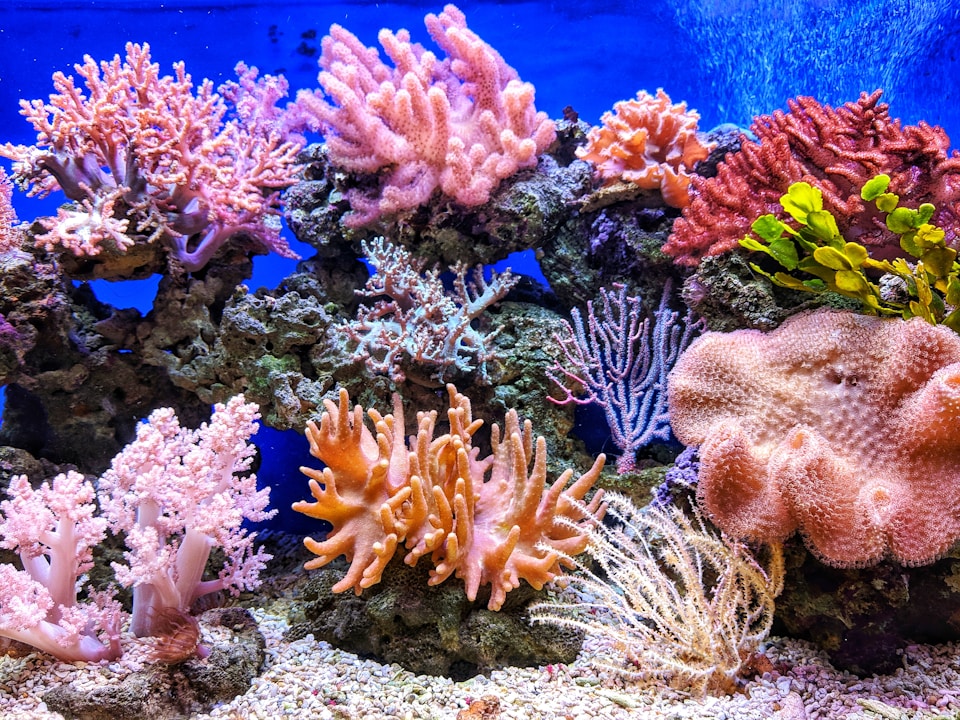
Indonesia possesses the world's most extensive coral reef systems and largest mangrove forests, making marine ecosystem protection a matter of national and global significance. The Coral Triangle centered on Indonesian waters contains approximately 75% of known coral species. Indonesia's mangrove forests cover over three million hectares, providing coastal protection, carbon sequestration, and nursery habitat for commercially important fisheries.
These ecosystems face escalating threats from coastal development, pollution, destructive fishing practices, sedimentation, and climate change impacts including ocean warming and acidification. Determining when damage has occurred requires objective, science-based criteria rather than subjective assessments. Without standardized damage thresholds, enforcement becomes inconsistent and restoration planning lacks clear targets.
PP 22/2021 addresses this gap by establishing a national framework for marine ecosystem damage criteria within the broader environmental protection regulation. The framework integrates with water quality standards that specify different parameters for waters supporting coral, mangrove, and seagrass ecosystems, recognizing their distinct environmental requirements.
The criteria establishment process emphasizes stakeholder participation and scientific foundations. Data collection, assessment, stakeholder input, and formal adoption stages ensure criteria reflect both current scientific understanding and practical management needs. Built-in review mechanisms allow criteria updates as monitoring technology and ecological science advance.
Key Provisions
Environmental Damage Framework
The regulation establishes marine ecosystem damage criteria as part of a broader nine-category environmental damage framework covering terrestrial and marine environments.
Pasal 272:
"(1) Untuk menentukan terjadinya Kerusakan Lingkungan Hidup, ditetapkan kriteria baku Kerusakan Lingkungan Hidup. (2) Kriteria baku Kerusakan Lingkungan Hidup sebagaimana dimaksud pada ayat (1) meliputi kriteria baku kerusakan: a. Terumbu Karang; b. Mangrove; c. Padang Lamun; d. tanah untuk produksi biomassa; e. gambut; f. karst; g. lingkungan yang berkaitan dengan kebakaran hutan dan/atau lahan; h. lahan akibat Usaha dan/atau Kegiatan pertambangan; dan i. kriteria baku Kerusakan Lingkungan Hidup lainnya sesuai dengan perkembangan ilmu pengetahuan dan teknologi. (3) Kriteria baku Kerusakan Lingkungan Hidup sebagaimana dimaksud pada ayat (2) huruf a, huruf b, dan huruf c diatur sesuai dengan ketentuan dalam Pasal 231 dan Pasal 232."
To determine environmental damage occurrence, standard environmental damage criteria are established. The nine categories include coral reefs, mangroves, seagrass beds, biomass production soil, peatland, karst, fire-related damage, mining-related damage, and other criteria per science and technology development. Coral reef, mangrove, and seagrass criteria follow the specific provisions of Pasal 231 and 232.
Ministerial Authority for Marine Ecosystem Criteria
The Minister holds authority to establish marine ecosystem damage criteria through a coordinated inter-agency process.
Pasal 231:
"(1) Menteri menetapkan kriteria baku kerusakan ekosistem Laut sebagaimana dimaksud dalam Pasal 223 ayat (3) huruf c setelah berkoordinasi dengan menteri/kepala lembaga terkait. (2) Kriteria baku kerusakan ekosistem Laut sebagaimana dimaksud pada ayat (1) meliputi: a. kriteria baku kerusakan Mangrove; b. kriteria baku kerusakan Padang Lamun; c. kriteria baku kerusakan Terumbu Karang; dan d. kriteria baku kerusakan ekosistem Laut lainnya sesuai dengan perkembangan ilmu pengetahuan dan teknologi. (3) Penetapan kriteria baku kerusakan ekosistem Laut sebagaimana dimaksud pada ayat (2) dilaksanakan dengan tahapan: a. pengumpulan dan pengkajian data; b. penjaringan masukan dari pemangku kepentingan dalam pengelolaan ekosistem Laut; dan c. penyusunan dan penetapan kriteria baku kerusakan ekosistem Laut."
The Minister establishes marine ecosystem damage criteria after coordinating with related ministers and agency heads. The criteria cover mangrove damage, seagrass bed damage, coral reef damage, and other marine ecosystem damage per science and technology development. Establishment proceeds through three stages: data collection and assessment, stakeholder input gathering in marine ecosystem management, and criteria drafting and adoption.
Ecosystem-Specific Damage Parameters
Each marine ecosystem type has distinct damage parameters calibrated to its biological and physical characteristics.
Pasal 232:
"(1) Kriteria baku kerusakan Mangrove sebagaimana dimaksud dalam Pasal 231 ayat (2) huruf a ditetapkan berdasarkan: a. tutupan tajuk; b. kerapatan pohon Mangrove yang hidup; dan/atau c. parameter lain sesuai dengan perkembangan ilmu pengetahuan dan teknologi. (2) Kriteria baku kerusakan Padang Lamun sebagaimana dimaksud dalam Pasal 231 ayat (2) huruf b ditetapkan berdasarkan: a. luas area kerusakan Padang Lamun; dan/atau b. parameter lain sesuai dengan perkembangan ilmu pengetahuan dan teknologi. (3) Kriteria baku kerusakan Terumbu Karang sebagaimana dimaksud dalam Pasal 231 ayat (2) huruf c ditetapkan berdasarkan: a. tutupan Terumbu Karang; dan/atau b. parameter lain sesuai dengan perkembangan ilmu pengetahuan dan teknologi."
Mangrove damage criteria are based on canopy cover, living mangrove tree density, and other parameters per science and technology. Seagrass bed damage criteria are based on damaged seagrass area extent and other parameters. Coral reef damage criteria are based on coral cover percentage and other parameters. Each ecosystem type allows for additional parameters as scientific understanding advances.
Marine Quality Status Integration
Damage criteria serve operational functions in marine environmental management.
Pasal 233:
"(1) Kriteria baku kerusakan ekosistem Laut sebagaimana dimaksud dalam Pasal 231 ayat (1) digunakan sebagai dasar penetapan Status Mutu Laut. (2) Kriteria baku kerusakan ekosistem Laut yang telah ditetapkan sebagaimana dimaksud pada ayat (1) dapat dievaluasi dan/atau diubah."
Marine ecosystem damage criteria serve as the basis for Marine Quality Status determination. Established criteria may be evaluated and amended. This linkage connects ecosystem health assessment to the regulatory framework for marine environmental quality, enabling enforcement actions and restoration planning based on objective status determinations.
Differentiated Water Quality Standards
LAMPIRAN VIII of PP 22/2021 specifies water quality parameters tailored to different marine ecosystem requirements.
For coral reef waters, clarity must exceed 5 meters, total suspended solids must remain below 20 mg/L, temperature must stay within 28-30°C, and salinity within 33-34 per mille. These strict parameters reflect coral sensitivity to turbidity, temperature stress, and salinity fluctuations.
For mangrove waters, temperature tolerance is slightly wider at 28-32°C, salinity up to 34 per mille, and notably higher TSS tolerance at 80 mg/L. Mangroves naturally occur in turbid estuarine environments with significant sediment loads, hence the elevated TSS threshold.
For seagrass waters, clarity must exceed 3 meters, TSS below 20 mg/L, temperature 28-30°C, and salinity 33-34 per mille. These intermediate requirements reflect seagrass needs for light penetration while tolerating some environmental variation.
Implementation & Compliance
For Marine Ecosystem Managers
Coastal and marine protected area managers should establish monitoring programs aligned with PP 22/2021 damage parameters. Coral cover surveys using transect methods provide comparable data for status assessment. Mangrove monitoring should track both canopy cover through remote sensing and ground-truthed tree density counts. Seagrass monitoring should map bed extent and identify damaged areas.
Monitoring frequency and methodology should enable trend detection and early warning of ecosystem decline before damage thresholds are crossed. Integration with water quality monitoring provides additional diagnostic information about pressures on ecosystem health.
For Environmental Regulators
Environmental impact assessments for coastal development projects should reference marine ecosystem damage criteria when evaluating potential impacts. Projects threatening to push ecosystem status beyond damage thresholds may require mitigation measures, alternative siting, or rejection.
Enforcement actions for ecosystem damage should reference objective criteria rather than subjective judgments. The damage criteria framework provides legal basis for restoration requirements and damage compensation calculations.
For Coastal Development Projects
Developers should conduct baseline ecosystem assessments before project initiation to establish pre-project conditions. Monitoring during and after construction should track whether damage criteria thresholds are approached or exceeded. Environmental management plans should specify protective measures calibrated to ecosystem sensitivities reflected in the differentiated water quality standards.
Conclusion
PP 22/2021's marine ecosystem damage criteria framework establishes the scientific and legal foundation for protecting Indonesia's globally significant coral reefs, mangroves, and seagrass beds. By defining measurable damage parameters for each ecosystem type, the regulation enables consistent status assessment across Indonesia's vast marine territory.
The three-stage criteria establishment process ensuring data collection, stakeholder input, and formal adoption balances scientific rigor with practical management needs. Built-in review provisions allow criteria evolution as monitoring technology and ecological understanding advance. This framework positions marine ecosystem protection as an objective, enforceable component of Indonesia's environmental governance rather than aspirational policy.
Official Source
This article analyzes Government Regulation No. 22 of 2021 on Environmental Protection and Management Implementation (PP 22/2021), specifically BAB V Paragraf 4 (Pasal 231-234) on Marine Ecosystem Damage Criteria and BAB VI (Pasal 272) on Environmental Damage Framework.
The official regulation text can be accessed at:
Primary Source:
PP No. 22 Tahun 2021 - BPK Regulation Portal
Alternative Sources:
Official Gazette: Lembaran Negara Republik Indonesia Tahun 2021 Nomor 32
Disclaimer
This article was drafted with AI-assisted research tools and reviewed by the CRPG editorial team. For legal advice, please consult a qualified professional. The content is provided for informational purposes only and should not be relied upon as legal advice or authoritative interpretation of regulations.
We accept no liability whatsoever for any decisions made based on this article. Readers are strongly advised to:
- Consult the official regulation text from government sources
- Seek professional legal counsel for specific matters
- Verify all information independently
This AI-assisted application is designed to improve access to regulatory information.
Law Database
Access PP 22/2021 in the CRPG Law Database: PP 22/2021